Mo.co de SuperCell gana $ 2.5 millones en menos de un mes
Autor: Nova
May 03,2025


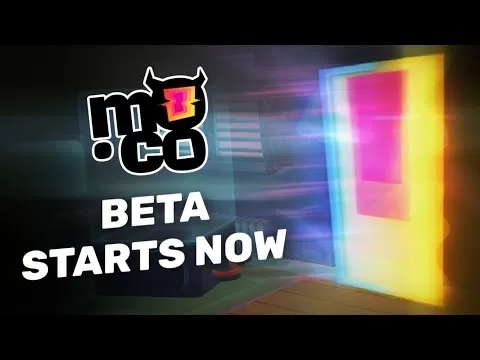
El próximo juego multijugador de la caza de monstruos de SuperCell, Mo.CO, ya ha demostrado ser un gran éxito incluso antes de su lanzamiento oficial. El juego ha generado ingresos impresionantes de $ 2.5 millones desde su lanzamiento suave, según lo informado por PocketGamer.Biz. Este éxito temprano destaca el fuerte atractivo y el potencial del juego en el mercado de juegos móviles.
Si no está familiarizado con Mo.CO, imagine mezclar una plataforma de juegos sociales milenario moderna con los emocionantes elementos de Monster Hunter. En Mo.CO, entras en el lugar de un elegante cazador a tiempo parcial, asumiendo varios contratos para luchar contra los invasores malvados de más allá. El juego atractivo del juego y el encanto de numerosos cosméticos y golosinas en el juego han contribuido significativamente a su aumento inicial de ingresos.
Sin embargo, después de alcanzar este pico, los ingresos de Mo.CO experimentaron una caída notable. Esto podría atribuirse al contenido limitado disponible durante su fase de lanzamiento suave dirigida por invitación. Si bien esto podría generar preocupaciones sobre el futuro del juego, es importante tener en cuenta que la falta de contenido nuevo podría ser el factor principal que afecta su éxito sostenido.
 Célula supersticiosa ¿Por qué importa esto? SuperCell tiene un historial de administrar su vasto negocio con un enfoque único y sin sentido para los lanzamientos de juegos. En lugar de diluir su enfoque en múltiples títulos, se concentran únicamente en los proyectos más prometedores. Esta estrategia ha llevado a algunos lanzamientos inicialmente decepcionantes que finalmente surgieron en popularidad, como Brawl Stars y Squad Busters. Por otro lado, también ha resultado en la cancelación de otros juegos prometedores como Flood Rush y Everdale antes de que pudieran ver la luz del día.
La pregunta ahora es si Mo.co seguirá una trayectoria similar. Dado su éxito inicial, Supercell podría monitorear de cerca cómo la introducción de un nuevo contenido afecta el gasto del jugador. Con suerte, pronto podríamos ver a Mo.CO llegar a las principales tiendas de aplicaciones.
Si bien Mo.CO permanece en su estado cerrado y aún no está disponible para que todos jueguen, si está ansioso por mantenerse por delante de la curva, ¿por qué no explorar nuestra característica principal, "antes del juego", donde mostramos excelentes juegos que puede disfrutar en el acceso temprano en dispositivos móviles?

![Pretty Derby Global Android Pre-Registration Opens
Get ready for the ultimate horse racing RPG experience! Pretty Derby, the beloved mobile game from KADOKAWA, has officially launched pre-registration for its global Android version. Fans of stylish racing, dazzling fashion, and heart-pounding competition can now sign up to be among the first to join the dazzling world of Pretty Derby.
Key Features:
Stunning Animation & Fashion: Show off your flair with beautifully animated horses and customizable outfits inspired by real-world horse racing and haute couture.
Rhythm-Based Racing Gameplay: Experience fast-paced races with a unique rhythm mechanic—time your moves perfectly to outpace the competition.
Exclusive Characters & Events: Battle alongside iconic horse girls, each with their own personalities, storylines, and abilities. New characters and limited-time events will keep the game fresh.
Global Community: Connect with players from around the world in multiplayer races, events, and special challenges.
Why Pre-Register?
Be among the first to receive exclusive in-game items and a special welcome gift upon launch.
Get early access to the game and stay updated on release dates, events, and exclusive content.
Help shape the global community from day one.
Pre-Registration is now live on the Google Play Store!
Download the game now and secure your spot in the most glamorous race of the century.
👉 Join the Pre-Registration Now:
[Link to Google Play Store (insert actual link)]
Pretty Derby – Where Fashion Meets Speed. The Derby Awaits!
PrettyDerby #PrettyDerbyGlobal #AndroidPreReg #MobileRPG #HorseRacingGame #Kadokawa #GachaGame #RhythmRacing #NewGame2024](https://img.1q2p.com/uploads/96/68113e43679fd.webp)





![Neko Paradise – New Version 0.18 [Alorth]](https://img.1q2p.com/uploads/03/1719595169667ef0a1c529a.jpg)