

Application Description
Talempong Pacik and Tambua Tansa: The Art of Minangkabau
Among the traditional arts that have survived to this day are tambua tansa, the piriang dance, the glass-breaking piriang performance, randai, saluang music, talempong, pupuik rice stem instruments, and sprout art.
Tambua Tansa is particularly well-known among local communities. In fact, official government events are frequently enlivened by performances of Tambua Tansa.
Generally, Tambua Tansa has developed throughout the nagari in Agam Regency. However, its most rapid growth can be seen in the Lake Maninjau interlocking area and Lubuk Basung District.
Tansa is a small-sized tambua played with two special rattan blades. It serves as a command instrument for Tambua musicians. The dancer acts as the leader of the Tambua group, determining which song or rhythm will be performed next.
The Tambua itself is crafted from perforated wooden staples. Sizes vary: some are large, with diameters ranging from 50 to 60 cm (known as Tambadang Gadang), while others measure 25 to 30 cm in diameter and are called Tambua Kaciak (small drum). A typical group consists of six to twelve tambuas.
Tambua Tansa is often used to gather people. For instance, during road construction projects or the building of other public facilities, a Tambua Tansa ensemble provides musical accompaniment.
Usually, the group leader or the village head performs at the site of mutual assistance in the morning. The thunderous sound of the tambua tansa quickly summons workers to arrive at the location.
Once work begins, the Tambua Tansa ensemble continues to play, energizing those who are laboring. Typically, the rhythm is upbeat and accompanied by the sounds of pupuik rice stems and cheers from the workers. This creates an atmosphere where fatigue and intense heat seem to disappear.
In wedding celebrations, Tambua Tansa plays a vital role in creating a lively ambiance. The event would feel dull without the powerful roar of the tambua tansa.
Tambua Tansa is also used to welcome distinguished guests. This often occurs during official visits by high-ranking officials such as the regent, deputy regent, police chief, governor, camat (district head), and others.
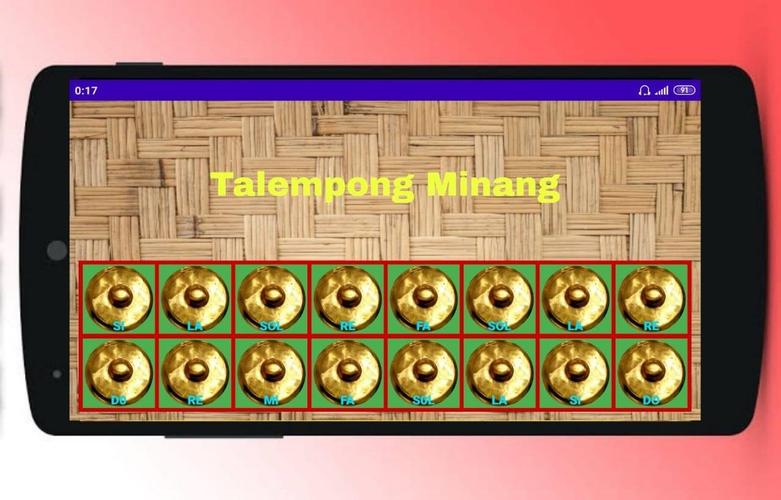
Talempong Pacik Screenshots

Reviews
Post Comments
Trending Games
Trending apps




![Neko Paradise – New Version 0.18 [Alorth]](https://img.1q2p.com/uploads/03/1719595169667ef0a1c529a.jpg)






Topics
More
Top-Rated Productivity Tools to Boost Your Workflow
Mind-Bending Puzzle Games for Android
Best Productivity Apps to Boost Your Efficiency
Offline Puzzle Games to Play Anytime
Explore the World of Arcade Games
Best Casino Games Online
Beauty Apps: Your Guide to Stunning Looks
Top Rated Strategy Games on Google Play
Latest Articles
More