

Application Description
Taiko Virtual
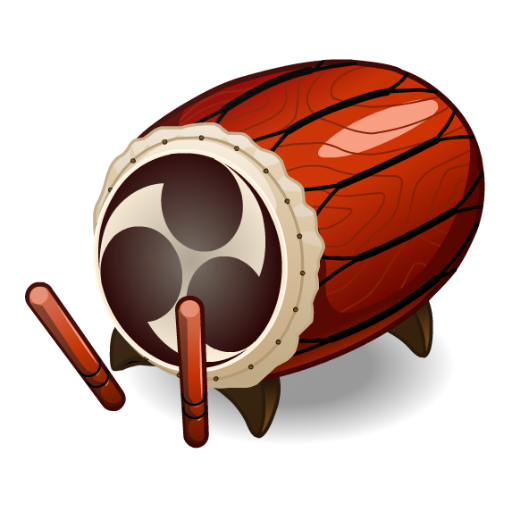
Taiko (太鼓) refers to a diverse family of Japanese percussion instruments. While broadly meaning "drum" in Japanese, internationally it specifically denotes traditional Japanese wadaiko (和太鼓) drums and the dynamic ensemble style known as kumi-daiko (組太鼓). Crafting taiko involves meticulous processes that vary by artisan, with some drums requiring years to shape both the wooden body and stretched skins.
Rooted in Japanese mythology, taiko's historical origins trace back to 6th-century CE cultural exchanges with Korea and China, with some designs showing Indian influences. Archaeological finds from the Kofun period confirm their early presence. Throughout history, taiko served multifaceted roles—from battlefield communication and religious rites to theater and festivals. Today, they remain powerful symbols in cultural movements globally.
The modern kumi-daiko ensemble tradition began in 1951 through Daihachi Oguchi's innovations, later popularized by groups like Kodo. Regional styles like hachijō-daiko showcase local heritage. Taiko groups now thrive worldwide across Japan, North America, Europe, and beyond. Performances blend precise rhythms, specialized grips, vibrant costumes, and diverse instrumentation—typically featuring barrel-shaped nagadō-daiko and higher-pitched shime-daiko, often accompanied by traditional vocals and instruments.
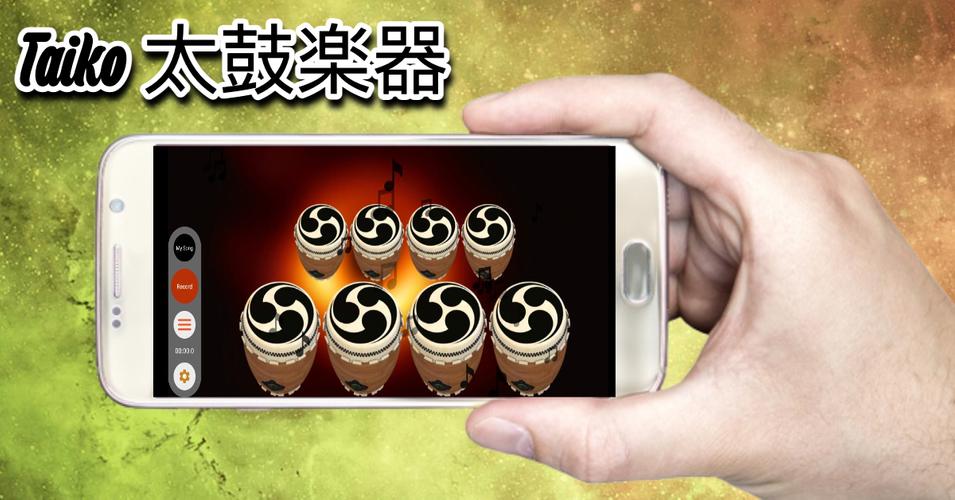
Taiko Screenshots

Reviews
Post Comments
Trending Games
Trending apps




![Neko Paradise – New Version 0.18 [Alorth]](https://img.1q2p.com/uploads/03/1719595169667ef0a1c529a.jpg)







Topics
More
Latest Articles
More