モンスターハンターの物語は、その一見率直な構造のためにしばしば見落とされてきましたが、表面の下にはテーマと物語の豊かなタペストリーがあります。シリーズの本質を深く掘り下げましょう。
←モンスターハンターワイルズのメイン記事に戻ります
モンスターハンターの物語の進化

モンスターハンターシリーズは、ストーリーテリングで有名ではないかもしれません。ファンは、物語がゲームのミッション主導のデザインに後部座席を取っていることに気づいているからです。しかし、これは物語が存在しないことを意味するものではありません。シリーズのプロットは、多くの場合、プレイヤーのクエストの選択を中心に展開し、一部の人はそれを単に報酬を求めて狩りをするサイクルとして却下するようになります。しかし、綿密な調査は、より微妙な物語を明らかにします。
それがすべて始まる方法

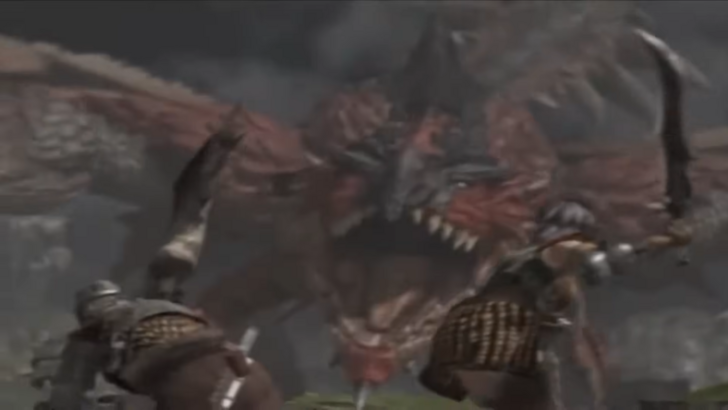
モンスターハンターのゲームは通常、おなじみのパターンに従います。あなたは初心者のハンターが村の長老からのクエストを引き受け、徐々にトップランクのハンターになるために昇ります。 Fatalisのような象徴的な最終ボスとの戦いで頂点に達し、ますます手ごわいモンスターに対するこの進歩と勝利の旅は、シリーズの核心を形成しています。 World、Rise、およびそれらの拡張がより構造化されたストーリーを導入するような新しいゲームでさえ、この基本的なサイクルはそのままです。
自然な秩序を保護します

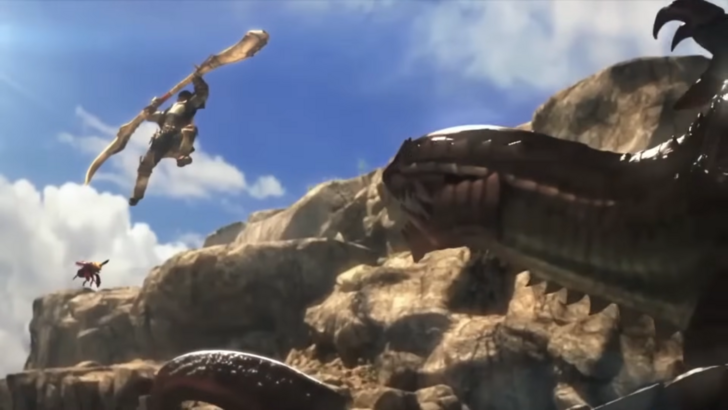
モンスターハンターの繰り返しのテーマは、生態学的バランスを維持する上でハンターの役割です。たとえば、モンスターハンター4では、ゴアマガラの狂乱ウイルスが生態系を脅かし、モンスターをより積極的にし、調和を回復するために敗北を必要とします。しかし、モンスターハンター:ワールドとその拡張、Iceborneは、この概念をさらに探求します。これらのゲームの終わりは、自然のプロセスを理解し、尊重するという人類の責任を強調しています。特にIceborneの物語は、自然の守護者としての守護者としての役割についての研究委員会の進化する理解を反映しており、自然の回復力の感動的な実現に至ります。
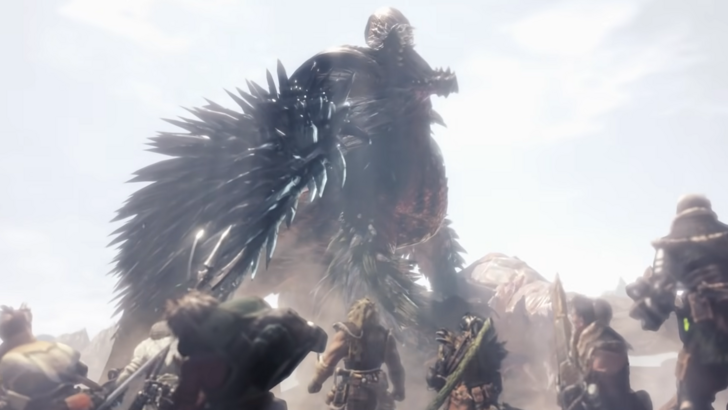
アイスボーンでの自然のバランサーとしてのネルギガンテの導入は、このテーマを強調し、自然の自立したメカニズムに直面した自然秩序の複雑さと謙虚さの人間の必要性を強調しています。ハンターが「サファイアスター」と呼ばれるベースゲームのエンディングは、ゲームの創造の神話に結び付けられ、自然の指導の下で人類の学習の旅を象徴しています。
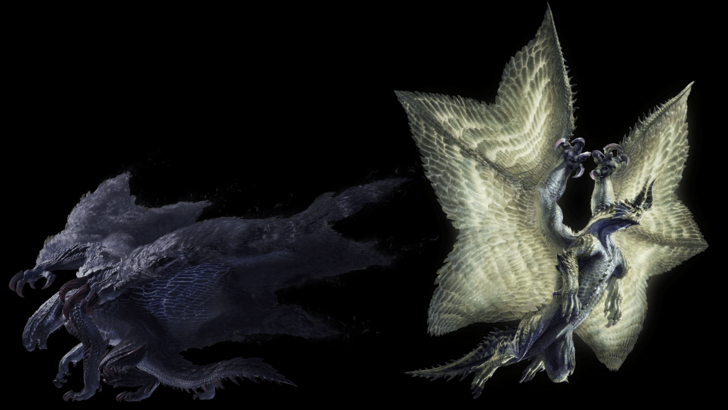
鏡の中のモンスター

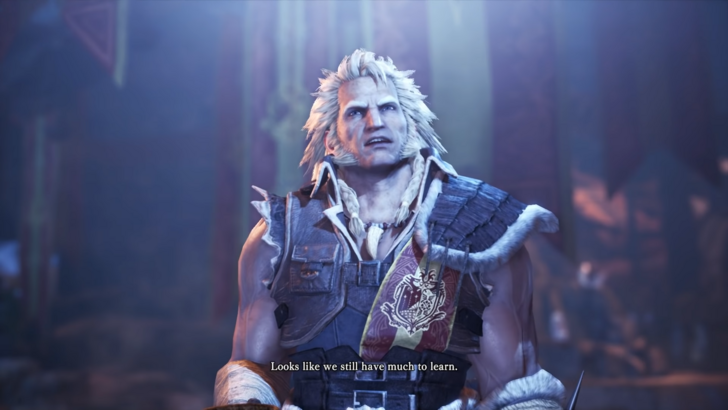
物語は、モンスターハンター4のゴアマガラのようなモンスターのようなモンスターの進化に見られるように、しばしばプレーヤーの経験を反映しています。この変革は、プレーヤー自身のアップグレード機器の旅とより挑戦的な戦いのために戻るという独自の旅を反映しています。ハンターとモンスターの間の相互学習プロセスを示唆しています。
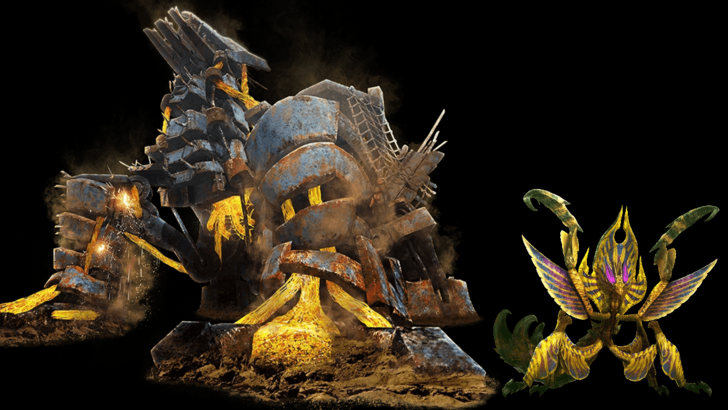
モンスターハンターの世代のアータルカは、このテーマを見事に例えています。このユニークなモンスターは、機械的な要塞を操縦する巨大なバグであり、ハンターが使用するものに似た武器と構造を使用しています。その戦いは、その創意工夫を紹介するだけでなく、ハンターの戦術を反映しており、人間と狩りのモンスターとの間のより深いつながりを示唆しています。
男対ワイルド:あなたの物語

その中心であるモンスターハンターは、プレイヤーの成長と課題に対する習得の旅についてです。このシリーズは、ソウルズシリーズの障害を克服することに由来する満足度に似たゲームプレイを通じて個人的な物語を作成することに優れています。モンスターハンターフリーダム2のティグレックスとの象徴的な出会いはこれを例示しています。謙虚な敗北から始めて、ビーストを征服して征服する選手の探求は、彼らの旅の原動力になります。
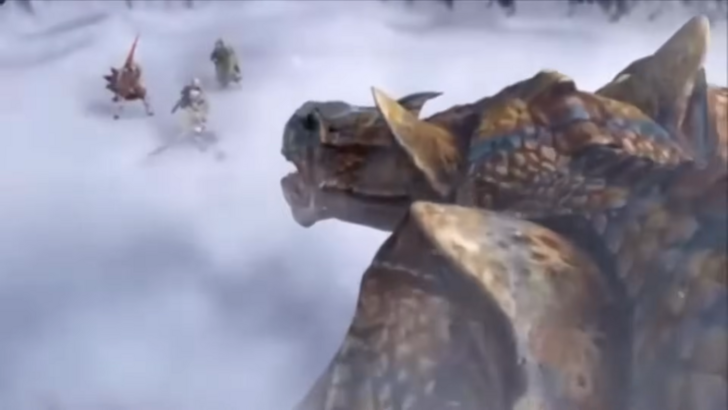
逆境に対する個人的な勝利の物語は、最初のset折から恐ろしい敵の最終的な習熟まで、ゲームの構造に織り込まれています。モンスターハンターワイルドのようなシリーズの新しい反復は、より明確なストーリーテリングを受け入れていますが、挑戦による個人的な成長の中心的なテーマは、フランチャイズの礎石です。
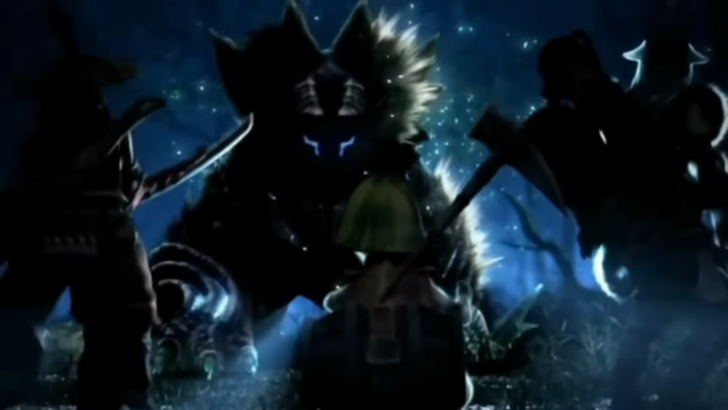
Monster Hunterシリーズは複雑なプロットでは知られていないかもしれませんが、ゲームプレイとテーマを通して忘れられない個人的な物語を作ります。初心者からマスターへの旅、生態学的バランスを維持するための闘争、そして私たちが狩るモンスターの人間の創意の反映は、すべてモンスターハンターが本当に何であるかについてのより深い理解に貢献します。

"Wittle Defender" sounds like a fresh and exciting fusion of genres—tower defense, roguelike, and card-based mechanics—offering a unique twist on familiar gameplay. Here’s a concept pitch and breakdown for how it could work:
🎮 Wittle Defender
“Build. Play. Die. Repeat. With Cards.”
Genre: Hybrid Tower Defense / Roguelike / Card Game
Platforms: PC, Switch, Mobile (iOS/Android)
Tone: Whimsical yet tense, with quirky art and strategic depth
🧩 Core Concept:
In Wittle Defender, you’re a tiny guardian (a wittle warrior, wizard, or goblin) defending a fragile outpost from waves of increasingly chaotic enemies. But instead of placing static towers, you draw and play cards to build defenses, summon allies, and cast spells on the fly.
Each run is a roguelike experience—procedurally generated maps, permadeath, and a progression system where you unlock new cards, upgrades, and character perks across runs.
🔥 Key Gameplay Mechanics:
1. Card-Based Defense
You’re dealt a hand of 5–7 cards at the start of each wave.
Cards represent:
Towers/Units (e.g., “Spiky Sentry,” “Flame Lantern”)
Spells (e.g., “Freeze Field,” “Gravity Pulse”)
Traps & Environmental Effects (e.g., “Mud Pit,” “Falling Boulders”)
Passive Buffs (e.g., “Quick Reflexes,” “Healing Aura”)
💡 You don’t just place towers—you play them like spells. Use your energy to summon, activate, or evolve them mid-battle.
2. Dynamic Map & Placement
The battlefield changes each run: shifting terrain, changing weather, moving platforms.
Cards have placement costs and limitations (e.g., “Lantern” only on stone tiles, “Spiker” needs 2 adjacent allies).
Some cards interact with others (e.g., a “Shield Wall” card can buff nearby units).
3. Roguelike Progression
After each run (or death), you earn “Wit” points (XP) to spend in a persistent upgrade tree.
Unlock new card types, abilities, and hero classes (e.g., “The Engineer” who builds better traps, “The Mage” who casts more spells).
Permadeath means every decision matters—will you risk a powerful spell card on a risky move?
4. Risk & Reward: The “Wittle” Factor
At the start of each run, you choose a “Wittle Trait”—a randomized bonus/curse:
✅ “Little but Loud”: All your cards deal 10% more damage.
❌ “Tiny Hands”: You draw only 4 cards per turn.
🔥 “Berserker Spark”: Your final card on a wave explodes and stuns enemies—but you lose 20% HP.
These traits add replayability and force creative strategies.
🃏 Example Turn Flow:
Wave 3 begins – 6 goblins charge across the bridge.
You draw:
“Ice Shard” (1 energy, freeze 1 enemy for 1 turn)
“Mortar Turret” (3 energy, auto-attack 3 times)
“Fog of War” (2 energy, hides enemy movement for 1 turn)
Play “Fog of War” → enemies move slower and miss shots.
Play “Mortar Turret” → it fires, destroying a goblin.
Use leftover energy to evolve the turret into “Howitzer” (cost: 1 energy, +2 damage).
Next wave: a boss appears. You’ve saved your “Sonic Boom” card. Use it → BOOM.
🎨 Art & Vibe:
Stylized 2D pixel art with cute, exaggerated characters and playful animations.
Enemies range from wobbly jelly creatures to giant hamster tanks.
Sound design is quirky: boings, zaps, and dramatic “WITTLE DEFENDER!” voice line on victory.
🏆 Why It Stands Out:
No two runs feel the same due to card randomness + trait system.
Deep strategy without complexity: Easy to learn, hard to master.
Card combos and emergent gameplay create “I can’t believe I just did that!” moments.
Perfect for fans of TowerFall, Slay the Spire, and Desktop Dungeons.
🎮 Tagline:
"You don’t build a tower. You play a hand."
Would you like a mock-up of a card, a sample run, or a pitch deck for developers/publishers? I can help design it! 🃏🛡️✨