¡El nuevo mini controlador permite juegos en modo de retrato!
Autor: Nova
May 04,2025


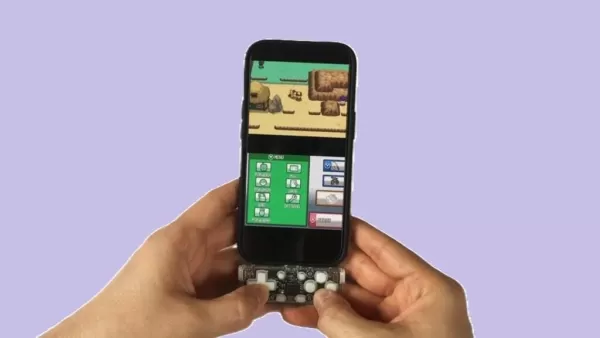
Como jugador, es probable que haya experimentado los desafíos de jugar juegos de arcade verticales en su teléfono, a menudo encontrando la experiencia menos que satisfactoria. Ingrese la solución innovadora de Modder Max Kern: el Mini Controlador de modo Tate, diseñado para abordar este mismo problema. ¿Pero realmente resuelve el problema?
Los controladores tradicionales generalmente se elaboran para el modo paisajista, similares a los utilizados en dispositivos como el interruptor o la cubierta de vapor. Sin embargo, muchos tiradores verticales clásicos y juegos retro requieren que mantengas tu teléfono en modo de retrato, al igual que desplazándose por Instagram.
Max Kern, un modder creativo, ha desarrollado un gamepad USB-C compacto específicamente para juegos en modo de retrato, también conocido como modo Tate. Este pequeño controlador se conecta directamente al puerto USB-C de su teléfono, eliminando la necesidad de Bluetooth, carga o baterías adicionales.
Construido con un chip Raspberry Pi RP2040, Max 3D imprimió la caja y los botones a través de JLCPCB. Si está interesado en construir el suyo, Max proporciona un tutorial detallado en su canal de YouTube.
El controlador utiliza el firmware GP2040-CE y funciona como un controlador HID estándar, lo que lo hace compatible con Android, iOS, Windows y Mac. Esta versatilidad es impresionante para un dispositivo tan pequeño.
Sin embargo, existen preocupaciones sobre la tensión que podría colocar en el puerto USB-C, ya que el Gamepad admite parte del peso del teléfono. Esto podría conducir a una posible flexión del conector a lo largo del tiempo, lo que requiere que admite tanto el teléfono como el controlador durante el uso.
En Reddit, las opiniones son mixtas. Algunos usuarios admiran el ingenio, pero se preocupan por los calambres y la comodidad de las manos, mientras que otros están más abiertos al concepto.
Es importante tener en cuenta que este no es un producto comercial, sino un proyecto de bricolaje. Max ha compartido generosamente todo el firmware necesario e imprime archivos en Thingiverse y GitHub. ¿Qué piensas sobre este pequeño gamepad innovador? ¡Comparte tus comentarios a continuación!
Antes de ir, no se pierda nuestras últimas noticias sobre los días más oscuros de RPG de RPG de Survival de Zombie, ahora disponibles en Android.

![Pretty Derby Global Android Pre-Registration Opens
Get ready for the ultimate horse racing RPG experience! Pretty Derby, the beloved mobile game from KADOKAWA, has officially launched pre-registration for its global Android version. Fans of stylish racing, dazzling fashion, and heart-pounding competition can now sign up to be among the first to join the dazzling world of Pretty Derby.
Key Features:
Stunning Animation & Fashion: Show off your flair with beautifully animated horses and customizable outfits inspired by real-world horse racing and haute couture.
Rhythm-Based Racing Gameplay: Experience fast-paced races with a unique rhythm mechanic—time your moves perfectly to outpace the competition.
Exclusive Characters & Events: Battle alongside iconic horse girls, each with their own personalities, storylines, and abilities. New characters and limited-time events will keep the game fresh.
Global Community: Connect with players from around the world in multiplayer races, events, and special challenges.
Why Pre-Register?
Be among the first to receive exclusive in-game items and a special welcome gift upon launch.
Get early access to the game and stay updated on release dates, events, and exclusive content.
Help shape the global community from day one.
Pre-Registration is now live on the Google Play Store!
Download the game now and secure your spot in the most glamorous race of the century.
👉 Join the Pre-Registration Now:
[Link to Google Play Store (insert actual link)]
Pretty Derby – Where Fashion Meets Speed. The Derby Awaits!
PrettyDerby #PrettyDerbyGlobal #AndroidPreReg #MobileRPG #HorseRacingGame #Kadokawa #GachaGame #RhythmRacing #NewGame2024](https://img.1q2p.com/uploads/96/68113e43679fd.webp)



![Neko Paradise – New Version 0.18 [Alorth]](https://img.1q2p.com/uploads/03/1719595169667ef0a1c529a.jpg)