"Assassin's Creed: 10 Historical Twists"
Author: Lily
Apr 12,2025


Ubisoft has once again activated the Animus, this time transporting players back to Japan's Sengoku Period with Assassin’s Creed Shadows. This latest installment features historical figures like Fujibayashi Nagato, Akechi Mitsuhide, and Yasuke, the African samurai who served Oda Nobunaga. As with previous entries, the game blends historical facts with fictional elements to weave a narrative filled with revenge, betrayal, and murder. While the inclusion of Yasuke's quest for XP to unlock a gold-tier weapon adds a playful twist, it underscores the series' commitment to historical fiction.
Assassin’s Creed has always been about exploring the gaps in history to craft a science fiction conspiracy tale centered around a secret society vying for world domination through the mystical powers of a pre-human civilization. Ubisoft meticulously researches to create open-world environments that are deeply rooted in history, yet it's crucial to remember that these games are not history lessons. Instead, they creatively alter historical facts to serve the overarching story.
Here are ten notable instances where Assassin’s Creed has creatively rewritten history:
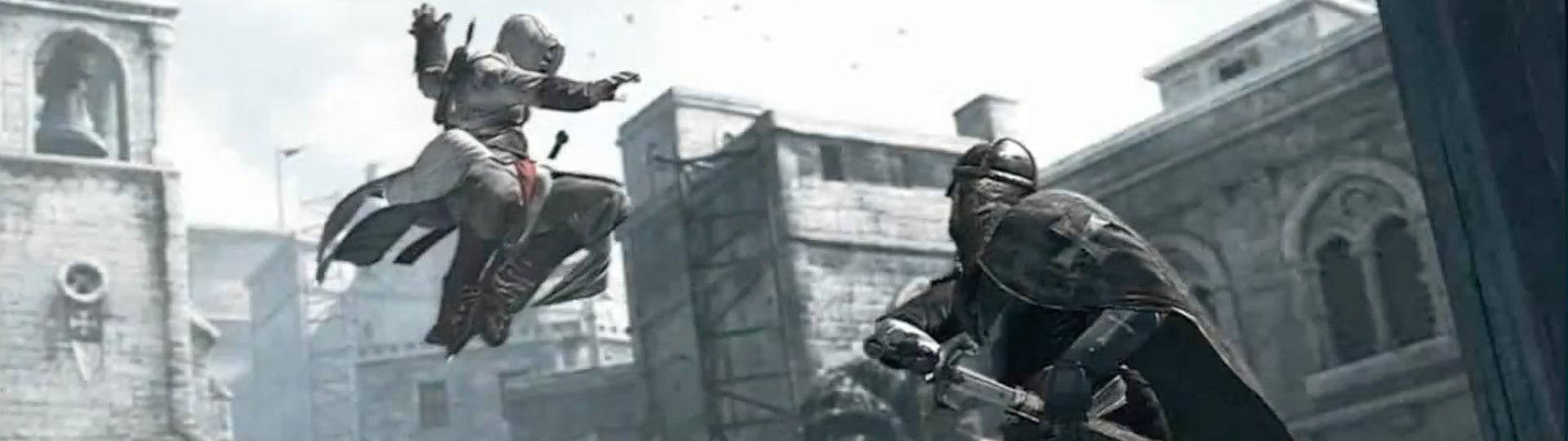
The conflict between the Order of Assassins and the Knights Templar, a central theme in the series, is entirely fictional. Historical records show no evidence of such a war; both orders coexisted during the Crusades but were never ideologically opposed. Ubisoft's narrative of a centuries-long feud is a creative liberty taken to enhance the game's storyline.

In Assassin’s Creed 2 and Brotherhood, the Borgia family, led by Rodrigo Borgia (Pope Alexander VI), is portrayed as the Templar Grand Master. Historically, the Templars did not exist during the late 1400s, and the Borgias' depiction as villainous figures is exaggerated. Ubisoft's narrative of a plot to control humanity with the Apple of Eden and the subsequent Vatican brawl are fictional elements designed to heighten the drama.
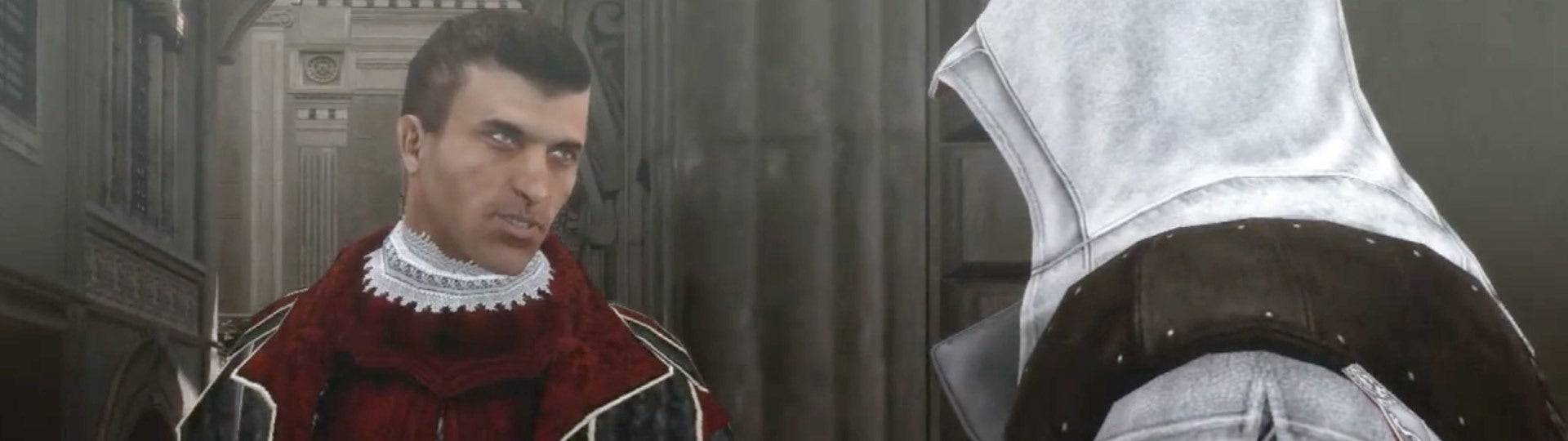
Niccolò Machiavelli, portrayed as Ezio’s ally and leader of the Italian Assassin’s Bureau, would not have aligned with the Assassins' anti-authority stance based on his real-life philosophies. Additionally, Machiavelli had a more nuanced relationship with the Borgias than depicted, serving as a diplomat under Cesare Borgia and viewing him as a successful ruler.
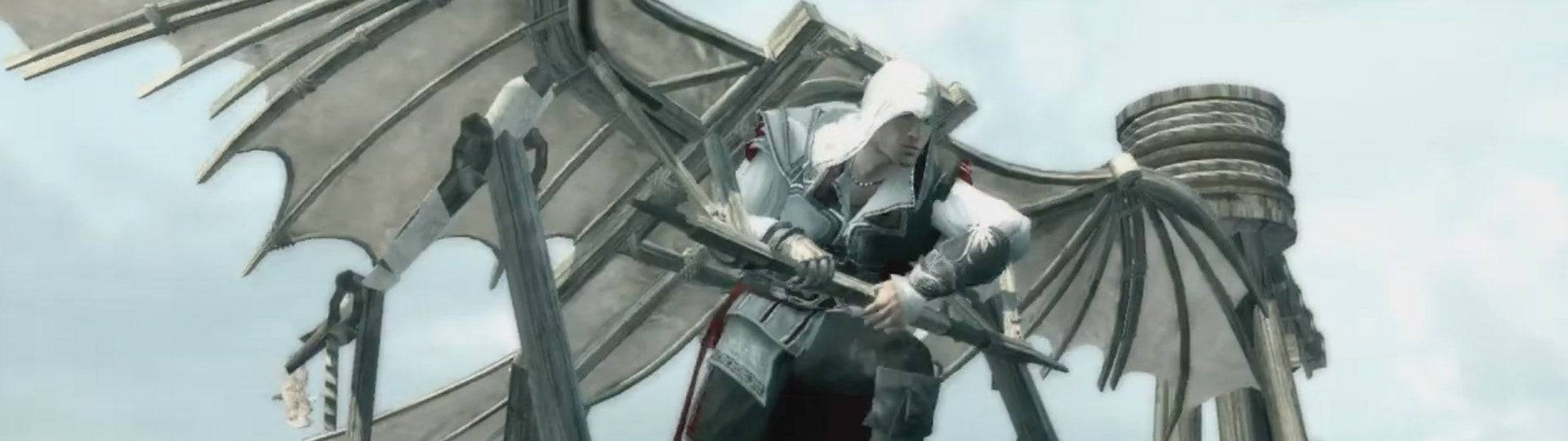
While Ubisoft captures Leonardo da Vinci's charismatic nature, they take liberties with his timeline, moving him to Venice to coincide with Ezio's journey. The game also brings to life several of da Vinci's designs, like the tank and flying machine, which were never constructed in reality, adding a layer of fantasy to the historical figure.
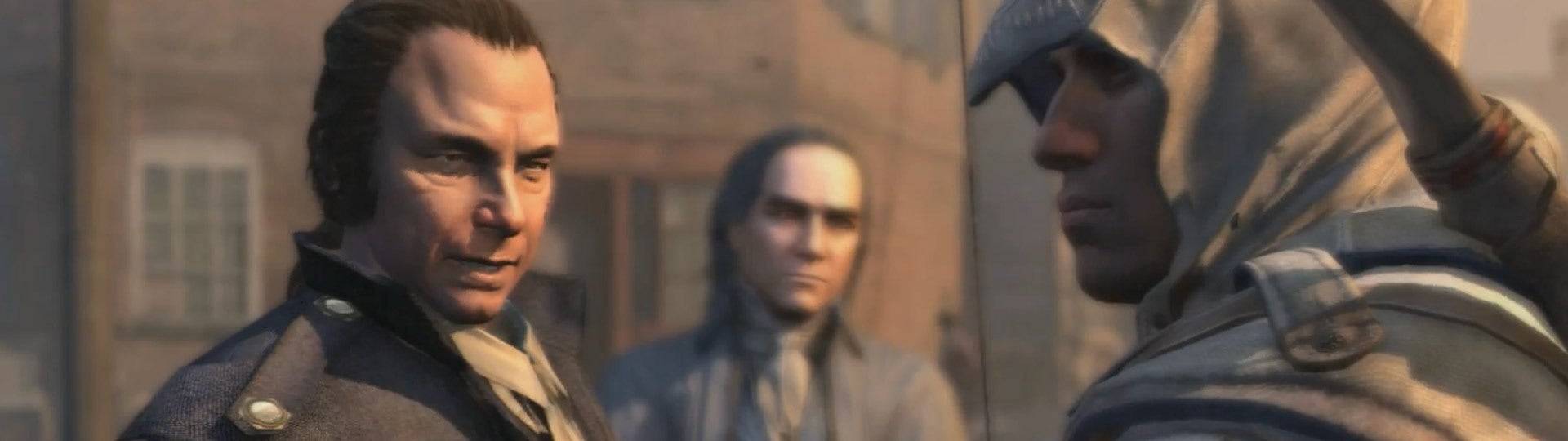
The Boston Tea Party in Assassin’s Creed 3 turns a historically peaceful protest into a violent confrontation. Connor, the protagonist, is depicted as the only one in Native American garb and engages in combat with British guards, a stark deviation from the non-violent nature of the actual event. The game also attributes the planning of the protest to Samuel Adams, despite historians' varying views on his involvement.

Connor, a Mohawk, fights alongside the Patriots in Assassin’s Creed 3, contrary to the historical alliance of the Mohawk with the British. This narrative choice explores a "what if" scenario, drawing inspiration from rare historical figures like Louis Cook, but remains a significant departure from historical events.
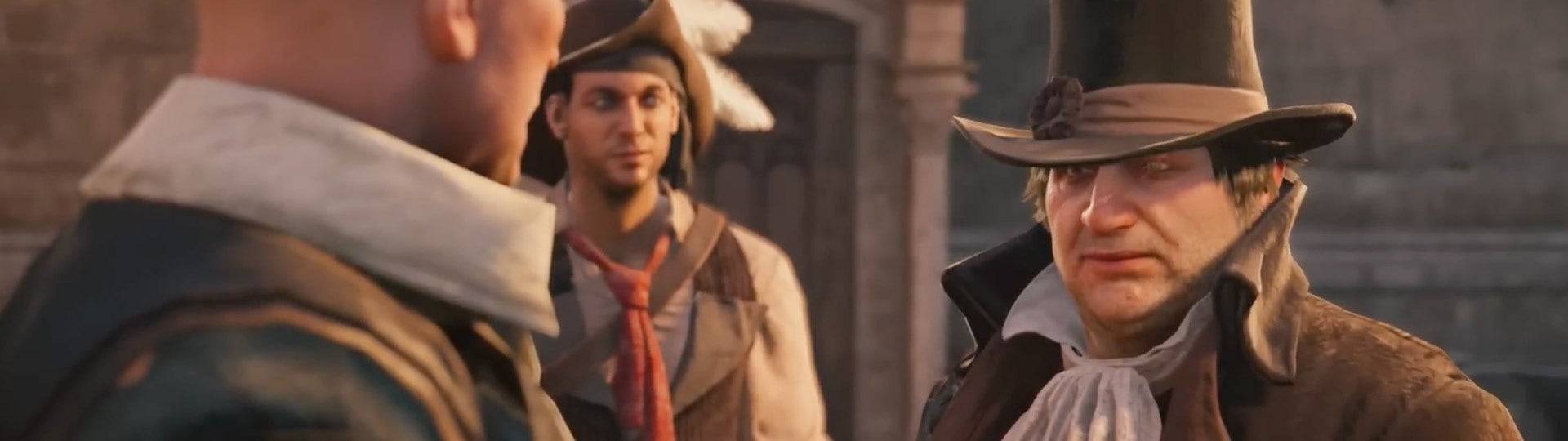
Assassin’s Creed Unity attributes the French Revolution to a Templar conspiracy, simplifying complex historical causes like famine and social unrest into a manufactured crisis. This portrayal also misrepresents the Reign of Terror as the entirety of the revolution, rather than one phase within it.

The game suggests the vote to execute King Louis 16 was close, swayed by a Templar vote, while historically, it was a clear majority. Unity also downplays the reasons for widespread public anger against the monarchy, including the King's attempt to flee and plot a counter-revolution.

In Assassin’s Creed Syndicate, Jack the Ripper is reimagined as a rogue Assassin seeking control over the London Brotherhood. This narrative twist transforms a historical serial killer into a fictional antagonist within the game's universe, leveraging the mystery surrounding the real Jack the Ripper's identity.

Assassin’s Creed Origins reimagines Julius Caesar as a proto-Templar, with his assassination framed as a victory over tyranny. However, Caesar was historically popular among the Roman people for his reforms, and his death led to the collapse of the Republic and the rise of the Roman Empire, contrary to the game's narrative.
The Assassin’s Creed series meticulously crafts its worlds with authentic historical elements, yet it often deviates from historical accuracy to tell compelling stories. This approach is fitting for historical fiction, where the goal is to entertain rather than educate. What are your favorite instances of the series bending historical truths? Share your thoughts in the comments.