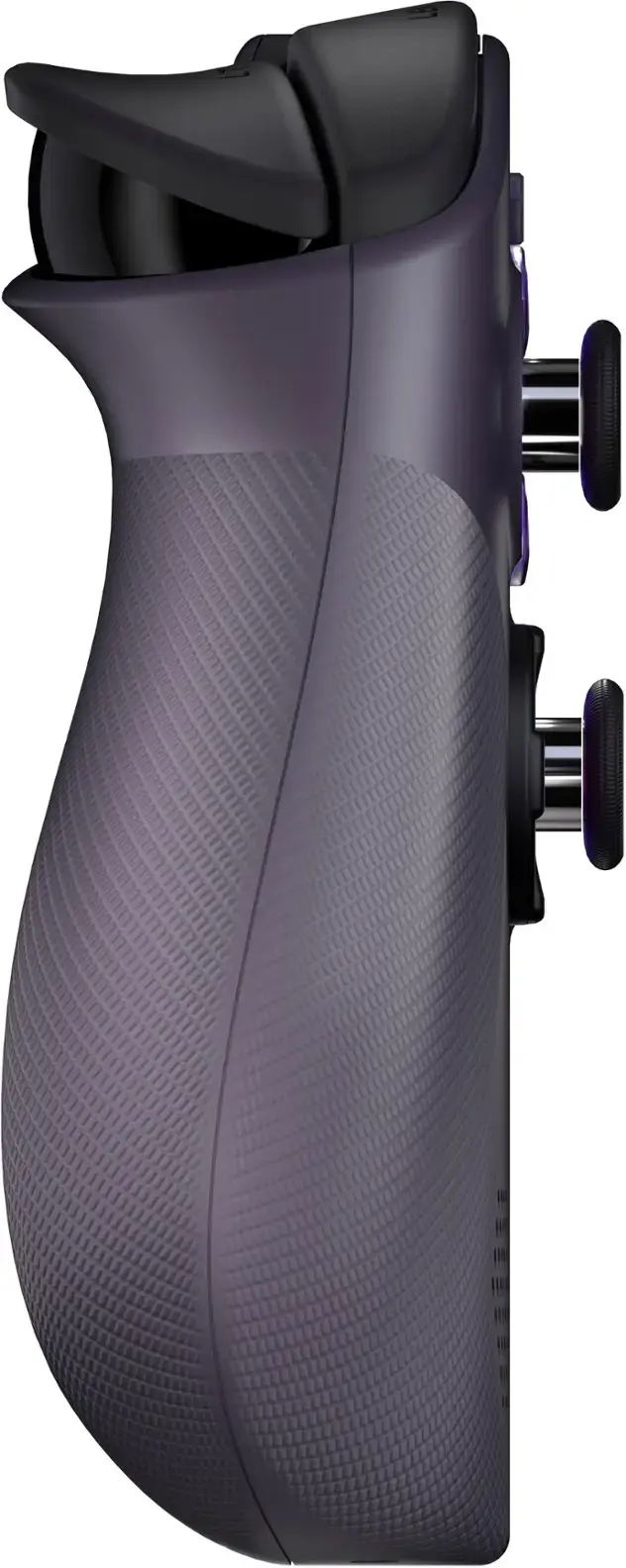
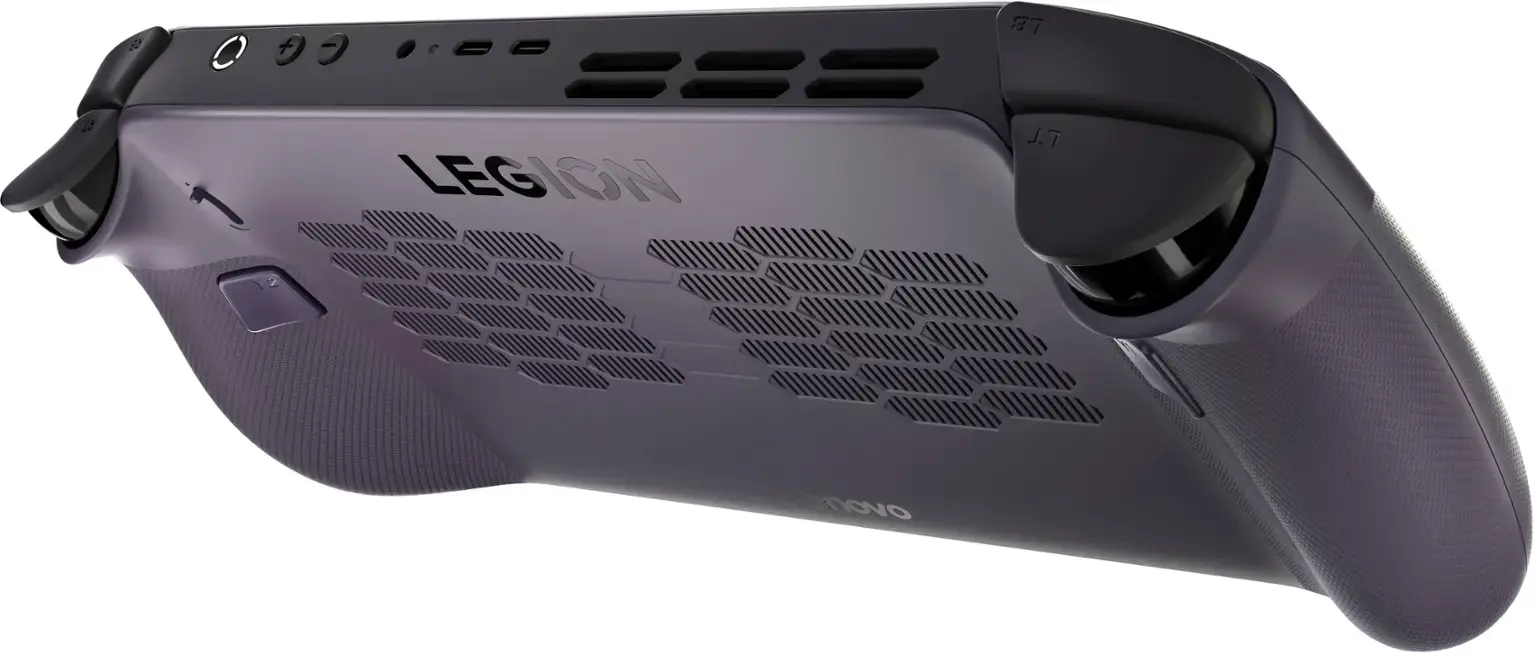
ハンドヘルドPCゲームのファンのためのエキサイティングなニュース:Lenovo Legion Go S itmeTionsは、Best Buyで予約注文できるようになりました。これは、Valveの独自のデバイスを除いて、Steamosで発送する最初のデバイスであるため、重要なマイルストーンをマークします。これは、Steam Deckを搭載するLinuxベースのオペレーティングシステムであるSteamosです。 5月25日にリリースが予定されているこのレギオンは、STEAMOSを使用して549.99ドルの魅力的な価格から始まります。このポータブルゲームマシンをゲームチェンジャーにするものを掘り下げましょう。

Lenovo LegionがSteamosで予約注文します

Lenovo Legion go S with Steamos(amd ryzen z2 go)
AMD Ryzen Z2 GO、16GB RAM、および512GB SSDを使用した0120Hzゲーミングハンドヘルド。
Best Buyで549.99ドル

Lenovo LegionはSTEAMOS(AMD Ryzen Z1 Extreme)と一緒に行きます)
AMD Ryzen Z1 Extreme、32GB RAM、および1TB SSDを備えた0120Hzゲーミングハンドヘルド。
Best Buyで749.99ドル
Steamosを搭載したLenovo Legion Go Sには、さまざまなニーズと予算に合わせて2つの構成があります。最初のモデルは、AMD Ryzen Z2 Goチップ、16GBのRAM、および512GB SSDの549.99ドルの価格を備えており、512GB OLED Steamデッキのコストと一致しています。より多くのパワーを求めている人のために、2番目のモデルは、AMD Ryzen Z1 Extremeチップ、32GBのRAM、および1TB SSDを誇り、749.99ドルで利用できます。
選択したモデルに関係なく、2つのUSB-Cポートを備えた120Hzのゲームハンドヘルドをお楽しみいただけます。 StorageはMicroSDカードスロットで簡単に拡張できます。デバイスには、ヘアトリガー用のトリガーロックが含まれており、Marvel Rivalsなどの競争力のあるシューティングゲームに最適です。
Legion Go Sの両方の構成には、スチームデッキよりも強力なチップが装備されており、デッキにとって挑戦的な最近のゲームを処理できることを示唆しています。インディアナ・ジョーンズやザ・グレートサークル、スターウォーズアウトロー、ドラゴンズドグマ2、モンスターハンターワイルドなどのタイトルは手の届くところにあるはずです。

Lenovo LegionはSteamosと一緒に行きます

12枚の画像


これらのSteamosベースのLegion Go Sモデルを、今年リリースされた以前のWindows 11ベースのLegion Go Sモデルと区別することが重要です。 Windowsバージョンがあなたの期待を満たさない理由についての洞察については、Lenovo Legion Go Sレビューをご覧ください。 Windowsモデルにまだ興味がある場合は、Best Buyで729.99ドルで利用できます。
Valveは、他の非スチームデッキハンドヘルドでSteamosを利用できるようにする計画を発表しました。ゲーマーがさまざまなハンドヘルドゲームPCにSteamosをインストールする将来の可能性を示唆しています。これらのSteamosベースのLegion Go Sモデルの発売により、Steamデッキよりも優れたデバイスを探しているユーザーは、指先で説得力のあるオプションを持っています。

"Wittle Defender" sounds like a fresh and exciting fusion of genres—tower defense, roguelike, and card-based mechanics—offering a unique twist on familiar gameplay. Here’s a concept pitch and breakdown for how it could work:
🎮 Wittle Defender
“Build. Play. Die. Repeat. With Cards.”
Genre: Hybrid Tower Defense / Roguelike / Card Game
Platforms: PC, Switch, Mobile (iOS/Android)
Tone: Whimsical yet tense, with quirky art and strategic depth
🧩 Core Concept:
In Wittle Defender, you’re a tiny guardian (a wittle warrior, wizard, or goblin) defending a fragile outpost from waves of increasingly chaotic enemies. But instead of placing static towers, you draw and play cards to build defenses, summon allies, and cast spells on the fly.
Each run is a roguelike experience—procedurally generated maps, permadeath, and a progression system where you unlock new cards, upgrades, and character perks across runs.
🔥 Key Gameplay Mechanics:
1. Card-Based Defense
You’re dealt a hand of 5–7 cards at the start of each wave.
Cards represent:
Towers/Units (e.g., “Spiky Sentry,” “Flame Lantern”)
Spells (e.g., “Freeze Field,” “Gravity Pulse”)
Traps & Environmental Effects (e.g., “Mud Pit,” “Falling Boulders”)
Passive Buffs (e.g., “Quick Reflexes,” “Healing Aura”)
💡 You don’t just place towers—you play them like spells. Use your energy to summon, activate, or evolve them mid-battle.
2. Dynamic Map & Placement
The battlefield changes each run: shifting terrain, changing weather, moving platforms.
Cards have placement costs and limitations (e.g., “Lantern” only on stone tiles, “Spiker” needs 2 adjacent allies).
Some cards interact with others (e.g., a “Shield Wall” card can buff nearby units).
3. Roguelike Progression
After each run (or death), you earn “Wit” points (XP) to spend in a persistent upgrade tree.
Unlock new card types, abilities, and hero classes (e.g., “The Engineer” who builds better traps, “The Mage” who casts more spells).
Permadeath means every decision matters—will you risk a powerful spell card on a risky move?
4. Risk & Reward: The “Wittle” Factor
At the start of each run, you choose a “Wittle Trait”—a randomized bonus/curse:
✅ “Little but Loud”: All your cards deal 10% more damage.
❌ “Tiny Hands”: You draw only 4 cards per turn.
🔥 “Berserker Spark”: Your final card on a wave explodes and stuns enemies—but you lose 20% HP.
These traits add replayability and force creative strategies.
🃏 Example Turn Flow:
Wave 3 begins – 6 goblins charge across the bridge.
You draw:
“Ice Shard” (1 energy, freeze 1 enemy for 1 turn)
“Mortar Turret” (3 energy, auto-attack 3 times)
“Fog of War” (2 energy, hides enemy movement for 1 turn)
Play “Fog of War” → enemies move slower and miss shots.
Play “Mortar Turret” → it fires, destroying a goblin.
Use leftover energy to evolve the turret into “Howitzer” (cost: 1 energy, +2 damage).
Next wave: a boss appears. You’ve saved your “Sonic Boom” card. Use it → BOOM.
🎨 Art & Vibe:
Stylized 2D pixel art with cute, exaggerated characters and playful animations.
Enemies range from wobbly jelly creatures to giant hamster tanks.
Sound design is quirky: boings, zaps, and dramatic “WITTLE DEFENDER!” voice line on victory.
🏆 Why It Stands Out:
No two runs feel the same due to card randomness + trait system.
Deep strategy without complexity: Easy to learn, hard to master.
Card combos and emergent gameplay create “I can’t believe I just did that!” moments.
Perfect for fans of TowerFall, Slay the Spire, and Desktop Dungeons.
🎮 Tagline:
"You don’t build a tower. You play a hand."
Would you like a mock-up of a card, a sample run, or a pitch deck for developers/publishers? I can help design it! 🃏🛡️✨