待望のNintendo Switch 2はすぐ近くにあり、1つを入手する予定がある場合は、256GBの内部ストレージしかないことを知っておく必要があります。常にゲームをアンインストールして再インストールするのが面倒なことなくシームレスなゲーム体験を楽しむには、そのストレージを拡張する必要があります。ただし、元のNintendo Switchとは異なり、新しいコンソールにはMicroSD Expressカードが必要です。これは、従来のUHSベースのSDカードよりも高速ですが高価です。
MicroSD Expressカードはしばらく前から存在していましたが、クリエイティブの専門家に広く採用されておらず、市場での選択肢が限られています。 Switch 2の差し迫った発売により、需要を満たすためにこれらのカードの利用可能性が急増することを期待してください。
Nintendo Switch 2はまだ外出していないため、これらのMicroSD Expressカードをテストする機会がなかったことに注意してください。ただし、高品質の貯蔵ソリューションで知られる評判の高いメーカーによって生産されています。
なぜmicroSDエクスプレス?
Nintendo Switch 2は、ストレージ拡張のためにMicroSD Expressカードを使用することを義務付けています。任天堂は推論を完全に明らかにしていませんが、ストレージのパフォーマンスを高速化したいと考えていることは明らかです。コンソールは、元のスイッチのEMMCドライブよりも大幅に速いスマートフォンと同様のUFSフラッシュストレージを使用します。これにより、開発者は、内部であろうと拡張カードを介して、一貫した高速ストレージに頼ることができます。
通常のmicroSDカードを使用して、第一世代のスイッチからスクリーンショットやビデオを転送することができます。 Nintendo Switch 2は、最終世代のゲームの外部ドライブが遅いことを可能にするPS5とは異なり、このような柔軟性を提供しません。ストレージを拡張したい場合は、MicroSD Expressカードが必要です。
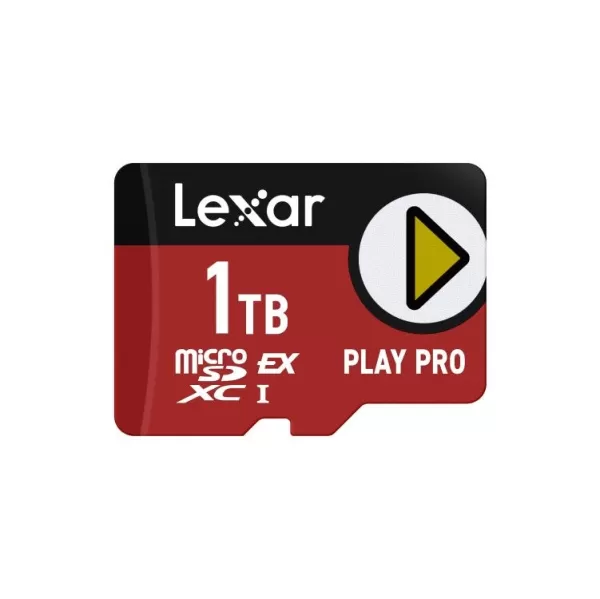
1。Lexar Play Pro
最高のmicroSDエクスプレスカード

Lexar Play Proは、現在利用可能な最速で最も容量のあるMicroSDエクスプレスカードとして際立っています。最大900MB/sまでの読み取り速度を提供し、1TBオプションで見つけることができます。ただし、Switch 2によって促進された需要の増加により、現在多くの場所で在庫がありません。最高のものを探しているなら、Lexar Play Pro、特に1TBバージョンに注目して、在庫が戻ってきたらそれをつかんでください。現在、7月に出荷される予定のAdoramaを介してバックオーダーを配置できます。
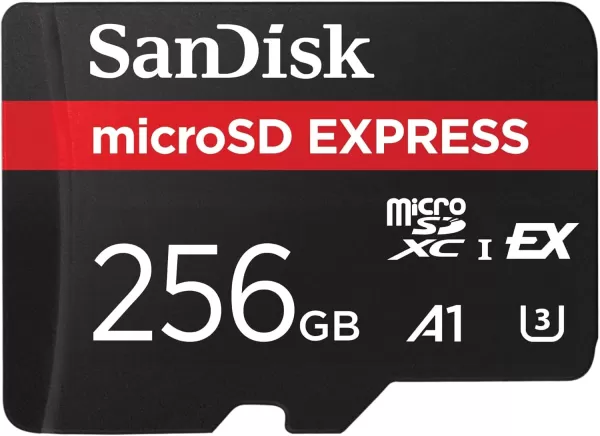
2。SandiskMicroSD Express
あなたが今実際に購入できるmicroSDエクスプレスカード

SDカードの信頼できる名前であるSandiskは、すぐに利用できるMicroSD Expressカードを提供しています。 256GBで最大限に活用しますが、Switch 2の内部ストレージを2倍にすることは依然として大幅に後押しされています。最大880MB/sの読み取り速度では、Lexar Play Proよりもわずかに遅くなりますが、それでもゲームで見事に機能します。待たずにストレージを保護したい場合は、Sandisk MicroSD Expressは信頼できる選択肢です。
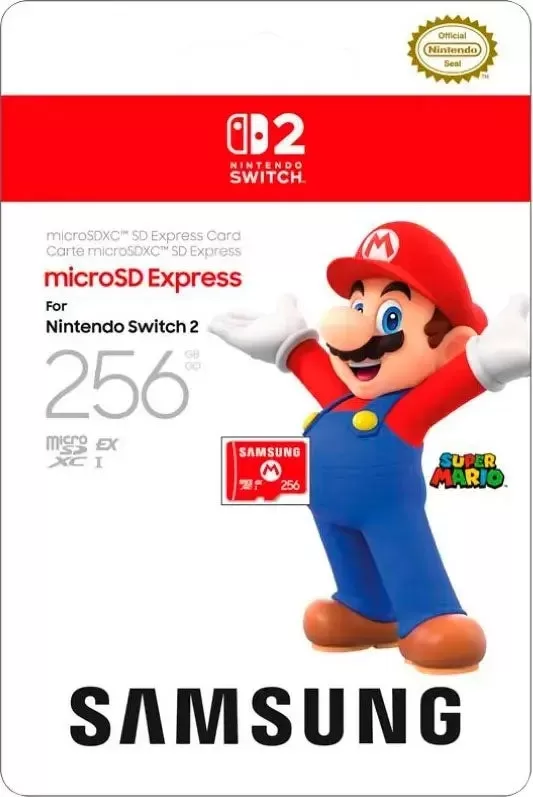
3.スイッチ2のSamsung MicroSD Express 2
私たちがほとんど知らない公式オプション

任天堂が直接販売するサムスンのMicroSDエクスプレスカードは、公式の承認の重みを持っています。ただし、その速度と容量に関する詳細はラップに残っています。これまでに利用できる唯一のモデルは、256GBバージョンです。詳細は不足していますが、任天堂の承認の印章を備えたカードを選ぶと、安心が得られます。詳細については、サムスンに連絡し、受け取ったらすぐにこの記事を更新します。
MicroSD Express FAQ
MicroSD Expressはどれくらい速いですか?
MicroSD Expressは、PCSのSSDと同様に、PCI Express 3.1インターフェイスを使用しているため、古いSDカードよりも大幅に高速です。フルサイズのSD Expressカードは、最大3,940MB/sの読み取り速度に達することができますが、MicroSD Expressカードは985MB/sでトップになります。これは、元のNintendo Switchで使用されているMicroSDカードよりもはるかに高速です。
MicroSD Expressカードはどのくらい続きますか?
他のSDカードと同様に、MicroSD Expressカードの寿命は限られており、通常は5〜10年の範囲で、使用状況と環境条件に応じています。これらのカードは長期ストレージ用に設計されていないため、重要なデータを定期的にバックアップすることが不可欠です。

"Wittle Defender" sounds like a fresh and exciting fusion of genres—tower defense, roguelike, and card-based mechanics—offering a unique twist on familiar gameplay. Here’s a concept pitch and breakdown for how it could work:
🎮 Wittle Defender
“Build. Play. Die. Repeat. With Cards.”
Genre: Hybrid Tower Defense / Roguelike / Card Game
Platforms: PC, Switch, Mobile (iOS/Android)
Tone: Whimsical yet tense, with quirky art and strategic depth
🧩 Core Concept:
In Wittle Defender, you’re a tiny guardian (a wittle warrior, wizard, or goblin) defending a fragile outpost from waves of increasingly chaotic enemies. But instead of placing static towers, you draw and play cards to build defenses, summon allies, and cast spells on the fly.
Each run is a roguelike experience—procedurally generated maps, permadeath, and a progression system where you unlock new cards, upgrades, and character perks across runs.
🔥 Key Gameplay Mechanics:
1. Card-Based Defense
You’re dealt a hand of 5–7 cards at the start of each wave.
Cards represent:
Towers/Units (e.g., “Spiky Sentry,” “Flame Lantern”)
Spells (e.g., “Freeze Field,” “Gravity Pulse”)
Traps & Environmental Effects (e.g., “Mud Pit,” “Falling Boulders”)
Passive Buffs (e.g., “Quick Reflexes,” “Healing Aura”)
💡 You don’t just place towers—you play them like spells. Use your energy to summon, activate, or evolve them mid-battle.
2. Dynamic Map & Placement
The battlefield changes each run: shifting terrain, changing weather, moving platforms.
Cards have placement costs and limitations (e.g., “Lantern” only on stone tiles, “Spiker” needs 2 adjacent allies).
Some cards interact with others (e.g., a “Shield Wall” card can buff nearby units).
3. Roguelike Progression
After each run (or death), you earn “Wit” points (XP) to spend in a persistent upgrade tree.
Unlock new card types, abilities, and hero classes (e.g., “The Engineer” who builds better traps, “The Mage” who casts more spells).
Permadeath means every decision matters—will you risk a powerful spell card on a risky move?
4. Risk & Reward: The “Wittle” Factor
At the start of each run, you choose a “Wittle Trait”—a randomized bonus/curse:
✅ “Little but Loud”: All your cards deal 10% more damage.
❌ “Tiny Hands”: You draw only 4 cards per turn.
🔥 “Berserker Spark”: Your final card on a wave explodes and stuns enemies—but you lose 20% HP.
These traits add replayability and force creative strategies.
🃏 Example Turn Flow:
Wave 3 begins – 6 goblins charge across the bridge.
You draw:
“Ice Shard” (1 energy, freeze 1 enemy for 1 turn)
“Mortar Turret” (3 energy, auto-attack 3 times)
“Fog of War” (2 energy, hides enemy movement for 1 turn)
Play “Fog of War” → enemies move slower and miss shots.
Play “Mortar Turret” → it fires, destroying a goblin.
Use leftover energy to evolve the turret into “Howitzer” (cost: 1 energy, +2 damage).
Next wave: a boss appears. You’ve saved your “Sonic Boom” card. Use it → BOOM.
🎨 Art & Vibe:
Stylized 2D pixel art with cute, exaggerated characters and playful animations.
Enemies range from wobbly jelly creatures to giant hamster tanks.
Sound design is quirky: boings, zaps, and dramatic “WITTLE DEFENDER!” voice line on victory.
🏆 Why It Stands Out:
No two runs feel the same due to card randomness + trait system.
Deep strategy without complexity: Easy to learn, hard to master.
Card combos and emergent gameplay create “I can’t believe I just did that!” moments.
Perfect for fans of TowerFall, Slay the Spire, and Desktop Dungeons.
🎮 Tagline:
"You don’t build a tower. You play a hand."
Would you like a mock-up of a card, a sample run, or a pitch deck for developers/publishers? I can help design it! 🃏🛡️✨