Minecraftでのテレポーテーションは、ゲームの世界である場所から別の場所に即座に移動する方法です。この機能は、すばやく探索し、危険を避け、さまざまなプレイエリアや基地の間を移動するために不可欠です。 Minecraftバージョンによると、いくつかのテレポーテーション方法が利用可能です。それぞれに関する詳細なガイドがあります。
また読む:ポータルを介してネザーに移動する方法
Minecraftのテレポーテーションに関する一般情報

画像:YouTube.com
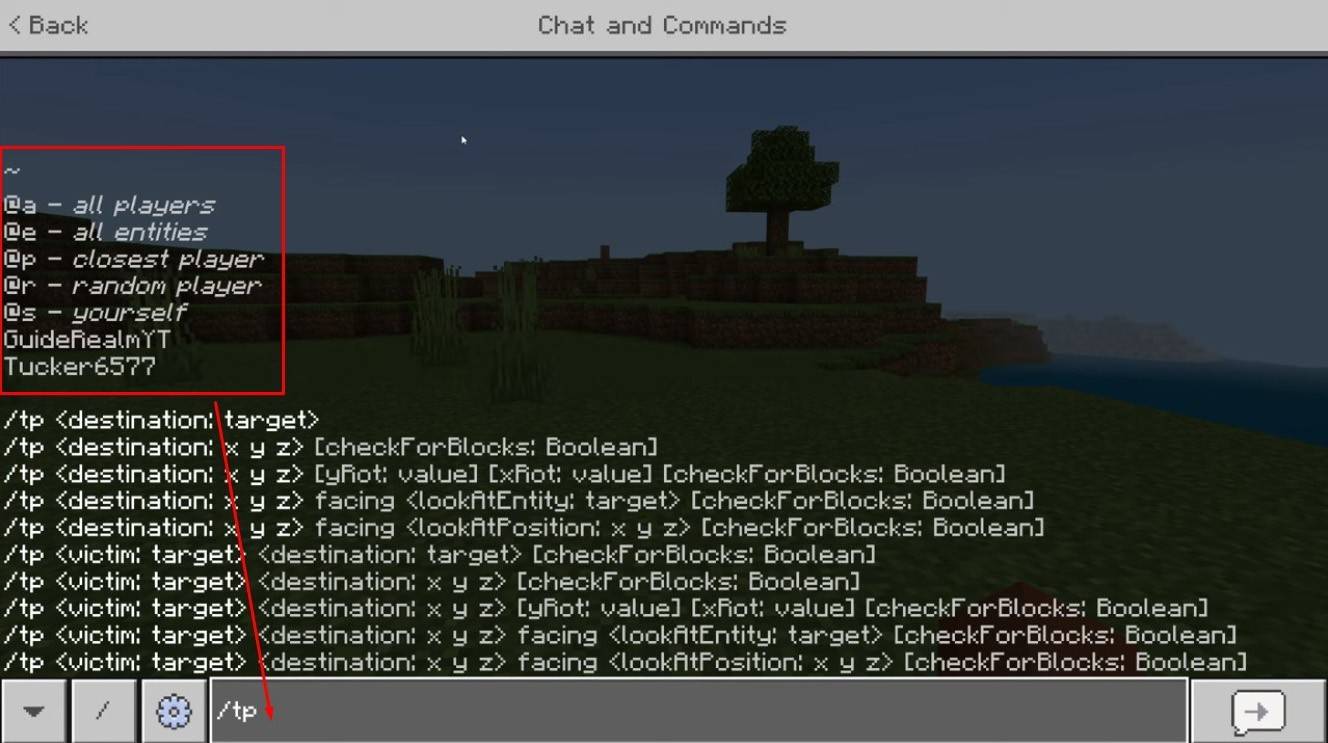
テレポーテーションの主なコマンドは「/tp」です。特定の動きのためのさまざまなオプションとパラメーターを提供します。プレイヤーにテレポート、特定の連絡先の詳細にテレポートするか、視線の向きを調整することもできます。さらに、Minecraftの世界で生き物を動かすことができます。
この注文の主な機能は次のとおりです。
| 注文名 | アクション |
|---|---|
| /TP | 別のプレイヤーにテレポートします。 |
| /TP | 管理者またはサーバーオペレーターがプレーヤーを別のプレーヤーに移動できるようにします。 |
| /TP | 世界の特定のポイントにテレポートします。 |
| /TP | さらに、視線の方向(ヨー - 水平方向の回転、ピッチ - 垂直傾向)を定義します。 |
| /tp @e [type = | 指定された座標で指定されたタイプのすべてのクリーチャーをテレポートします。 |
| /tp @e [type = creepper、limit = 1] | 上記と同じアクションを実行しますが、指定されたタイプに最も近い単一のクリーチャーの場合。 |
| /tp @e | プレイヤー、クリーチャー、オブジェクト、さらにはボートを含む、世界のすべてのエンティティ。慎重に使用するには、サーバーの減速を引き起こす可能性があるためです。 |
サーバーでは、この注文の可用性はプレーヤーの権利に依存します。オペレーターと管理者は自由に使用できますが、通常のプレーヤーは許可を得てのみ使用できます。
画像:YouTube.com
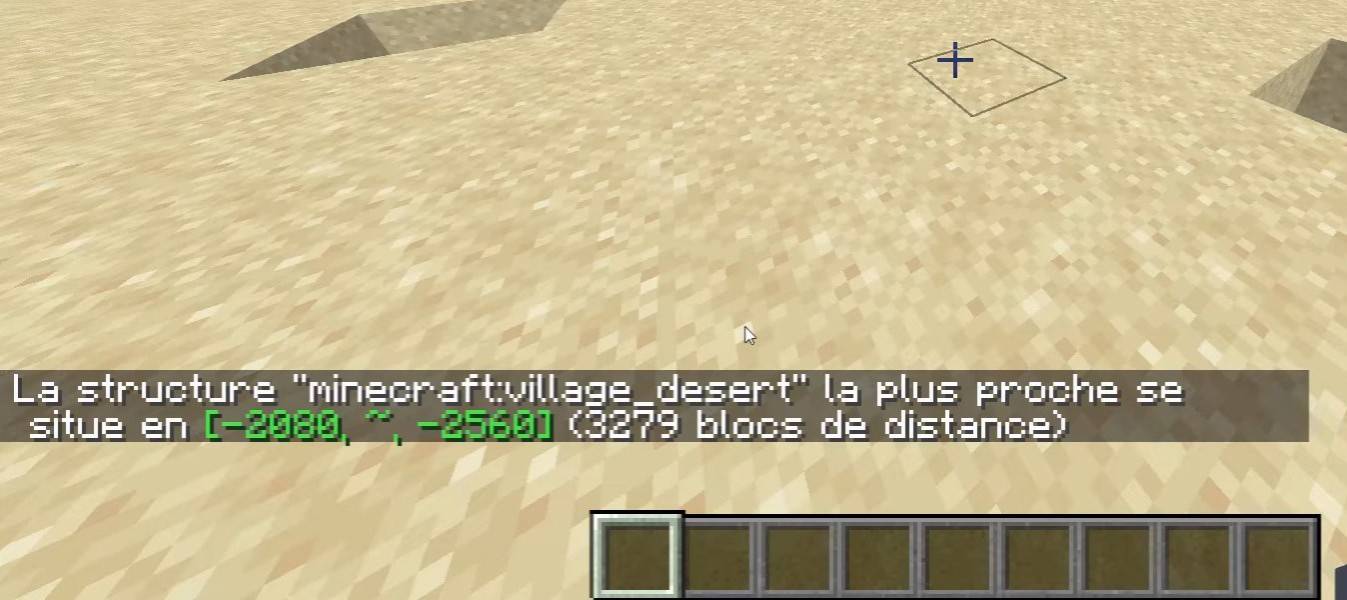
「/locate」コマンドは、村や要塞などの構造を見つけるのにも役立ちます。 「/TP」に関連付けられているため、オブジェクトの連絡先の詳細をすばやく決定し、テレポートします。
サバイバルモードのテレポーテーション
デフォルトでは、サバイバルモードでのテレポーテーションは非アクティブ化されます。ただし、世界を作成したり、コントロールブロックを使用したり、サーバー上の管理者の権利を取得したり、EssentialSXのようなプラグインをインストールしたりするときに、チートを承認することにより、アクティブ化できます。
制御ブロックを介したテレポーテーション

画像:YouTube.com
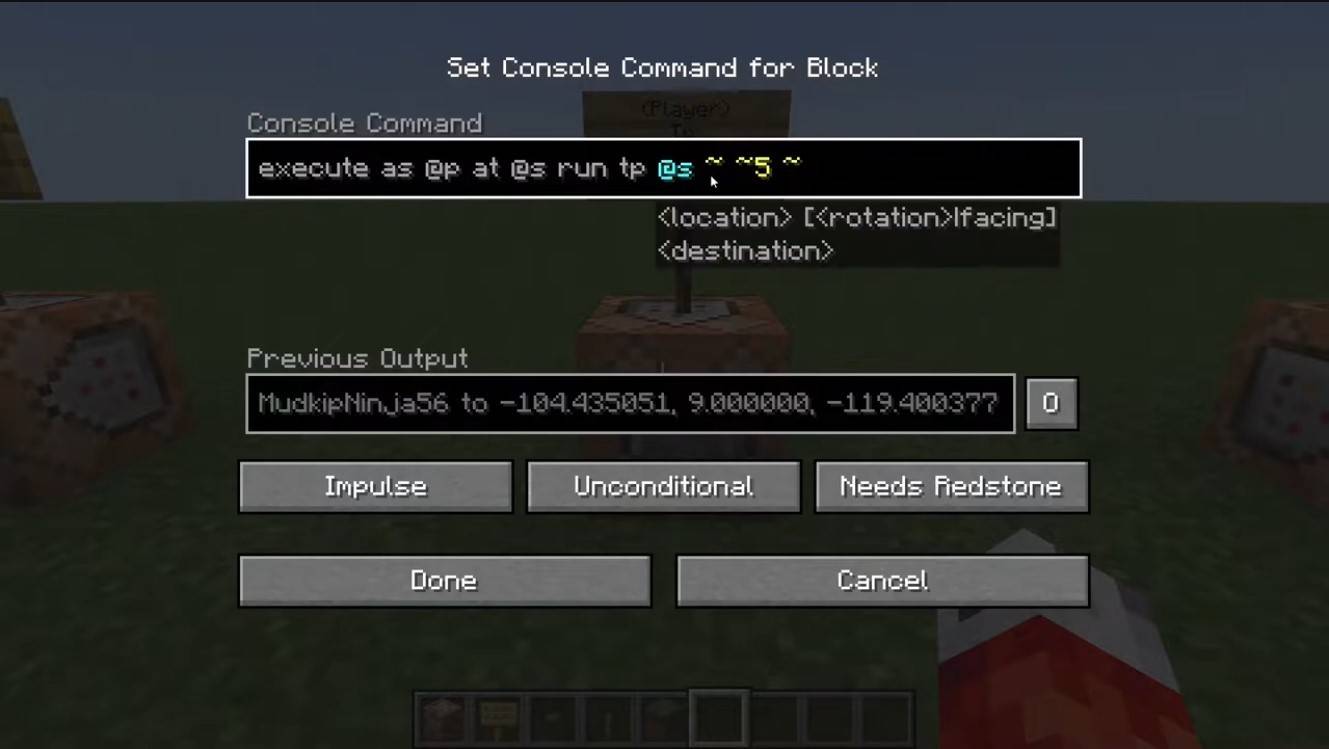
制御ブロックにより、テレポーテーションプロセスを自動化および簡素化できます。マルチプレイヤーモードでそれらをアクティブにするには、サーバー設定でそれらを許可し、「/give @p command_block」コマンドでブロックを取得します。ブロックを配置し、目的のコマンドを入力し、レバーまたはボタンを接続してアクティブにします。あなた自身のテレポートマシンの準備ができました!
サーバー上のテレポーテーション
サーバーは多くの場合、テレポーテーションのために特別なコマンドを使用しますが、その可用性はあなたの役割に依存します。管理者、モデレーター、ドナーは一般により多くの可能性を持っていますが、通常のプレーヤーは制限の影響を受ける可能性があります。
サーバーで一般的に使用されるコマンドは次のとおりです。
- 「/spawn」 - プレーヤーをサーバーの再登場に戻します。
- 「/home」 - プレイヤーを録音した家にテレポートします。
- 「/sethome」 - ハウスポイントを定義します。
- 「/warp」 - 事前に定義されたテレポーテーションポイントへのテオポート。
- 「/TPA」 - 別のプレイヤーにリモートポートリクエストを送信します。
- 「/tpaccept」 - リモートサポートリクエストを受け入れます。
- 「/tpdeny」 - テレポーテーションの要求を拒否します。
テレポーテーションを使用する前に、一部のサーバーが戦闘テレポートの制限、締め切り、または罰則を課すため、サーバーのルールを参照してください。注文が機能しない場合は、管理者の権利を確認するか、代替案を検索してください。
頻繁なエラーとソリューション

画像:YouTube.com
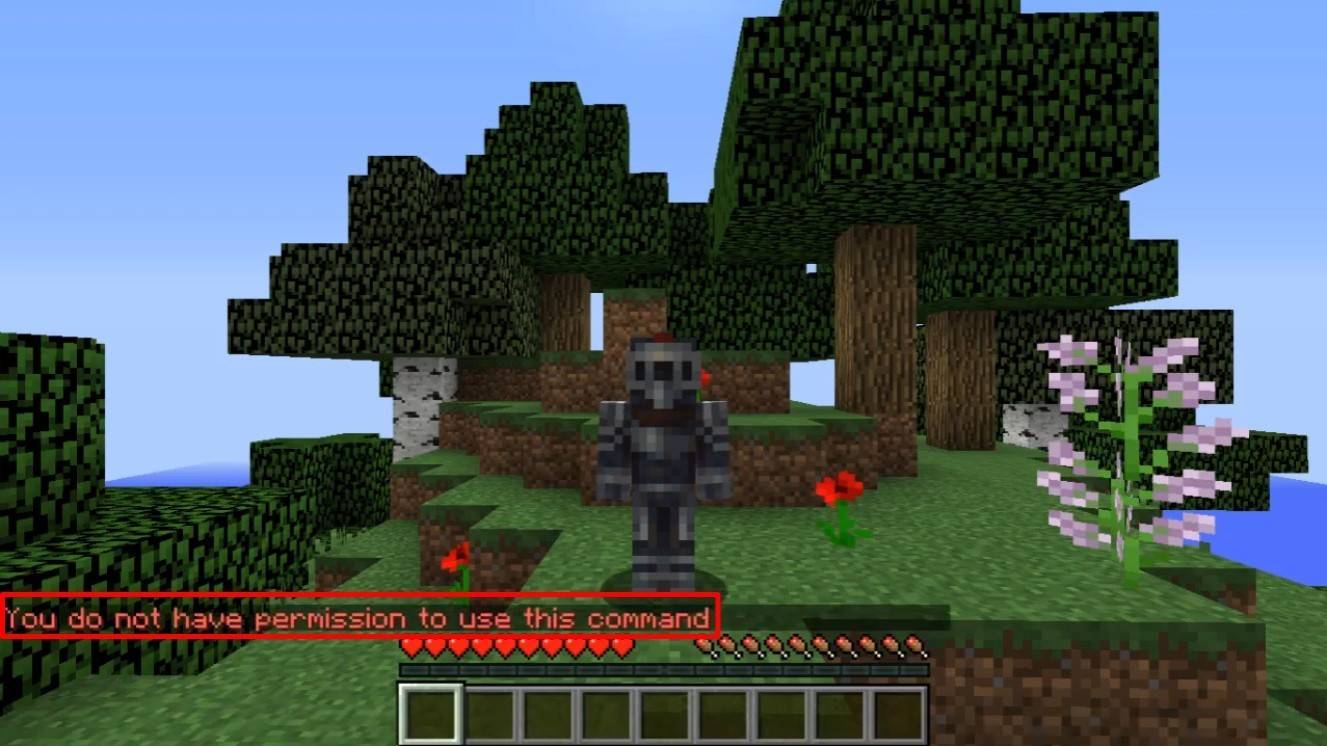
「許可がない」エラーが表示された場合、これは注文を実行する権利がないことを意味します。この場合、管理者に承認を許可するか、ソロモードでチートをアクティブ化するよう依頼してください。
「誤った引数」エラーは、注文またはその引数のエントリが不十分であることを示します。それらの精度を確認してください。テレポーテーションの後、キャラクターが地下に自分自身を見つけた場合、座標が低すぎないことを確認してください(推奨される値は64以上です)。遅延が記載されている場合、これは不正行為を避けるために意図的にブレークが追加されたサーバーパラメーターによるものである可能性があります。
安全なテレポーテーションのためのアドバイス
目的地が安全であることを確認してください。サーバーでは、偶発的な旅行を避けるために「/TPA」を使用することを好みます。新しい領域を探索する前に、「/sethome」でリターンポイントを定義します。未知の場所へのテレポーテーション中に、ポーションや不滅のトーテムを取り、予期しないことを追い払ってください。
Minecraftのテレポーテーションは、ゲームプレイのナビゲーションと管理を促進する実用的なツールです。コントロール、プラグイン、コントロールブロックのおかげで、長いステップなしで効果的に移動することができます。主なことは、ゲーム体験を不均衡にしないように賢明に使用することです!
メイン画像:YouTube.com

"Wittle Defender" sounds like a fresh and exciting fusion of genres—tower defense, roguelike, and card-based mechanics—offering a unique twist on familiar gameplay. Here’s a concept pitch and breakdown for how it could work:
🎮 Wittle Defender
“Build. Play. Die. Repeat. With Cards.”
Genre: Hybrid Tower Defense / Roguelike / Card Game
Platforms: PC, Switch, Mobile (iOS/Android)
Tone: Whimsical yet tense, with quirky art and strategic depth
🧩 Core Concept:
In Wittle Defender, you’re a tiny guardian (a wittle warrior, wizard, or goblin) defending a fragile outpost from waves of increasingly chaotic enemies. But instead of placing static towers, you draw and play cards to build defenses, summon allies, and cast spells on the fly.
Each run is a roguelike experience—procedurally generated maps, permadeath, and a progression system where you unlock new cards, upgrades, and character perks across runs.
🔥 Key Gameplay Mechanics:
1. Card-Based Defense
You’re dealt a hand of 5–7 cards at the start of each wave.
Cards represent:
Towers/Units (e.g., “Spiky Sentry,” “Flame Lantern”)
Spells (e.g., “Freeze Field,” “Gravity Pulse”)
Traps & Environmental Effects (e.g., “Mud Pit,” “Falling Boulders”)
Passive Buffs (e.g., “Quick Reflexes,” “Healing Aura”)
💡 You don’t just place towers—you play them like spells. Use your energy to summon, activate, or evolve them mid-battle.
2. Dynamic Map & Placement
The battlefield changes each run: shifting terrain, changing weather, moving platforms.
Cards have placement costs and limitations (e.g., “Lantern” only on stone tiles, “Spiker” needs 2 adjacent allies).
Some cards interact with others (e.g., a “Shield Wall” card can buff nearby units).
3. Roguelike Progression
After each run (or death), you earn “Wit” points (XP) to spend in a persistent upgrade tree.
Unlock new card types, abilities, and hero classes (e.g., “The Engineer” who builds better traps, “The Mage” who casts more spells).
Permadeath means every decision matters—will you risk a powerful spell card on a risky move?
4. Risk & Reward: The “Wittle” Factor
At the start of each run, you choose a “Wittle Trait”—a randomized bonus/curse:
✅ “Little but Loud”: All your cards deal 10% more damage.
❌ “Tiny Hands”: You draw only 4 cards per turn.
🔥 “Berserker Spark”: Your final card on a wave explodes and stuns enemies—but you lose 20% HP.
These traits add replayability and force creative strategies.
🃏 Example Turn Flow:
Wave 3 begins – 6 goblins charge across the bridge.
You draw:
“Ice Shard” (1 energy, freeze 1 enemy for 1 turn)
“Mortar Turret” (3 energy, auto-attack 3 times)
“Fog of War” (2 energy, hides enemy movement for 1 turn)
Play “Fog of War” → enemies move slower and miss shots.
Play “Mortar Turret” → it fires, destroying a goblin.
Use leftover energy to evolve the turret into “Howitzer” (cost: 1 energy, +2 damage).
Next wave: a boss appears. You’ve saved your “Sonic Boom” card. Use it → BOOM.
🎨 Art & Vibe:
Stylized 2D pixel art with cute, exaggerated characters and playful animations.
Enemies range from wobbly jelly creatures to giant hamster tanks.
Sound design is quirky: boings, zaps, and dramatic “WITTLE DEFENDER!” voice line on victory.
🏆 Why It Stands Out:
No two runs feel the same due to card randomness + trait system.
Deep strategy without complexity: Easy to learn, hard to master.
Card combos and emergent gameplay create “I can’t believe I just did that!” moments.
Perfect for fans of TowerFall, Slay the Spire, and Desktop Dungeons.
🎮 Tagline:
"You don’t build a tower. You play a hand."
Would you like a mock-up of a card, a sample run, or a pitch deck for developers/publishers? I can help design it! 🃏🛡️✨