"Clair Obscur: Expedition 33 aclamado como el mejor juego de 2025 por el director de BG3"
Autor: Leo
May 03,2025


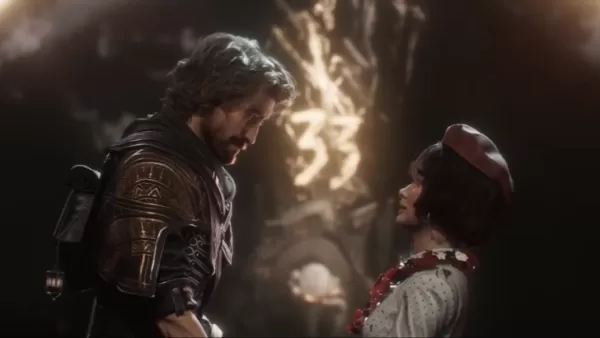
Clair Obscur: Expedition 33 ha tomado el mundo de los juegos por asalto, obteniendo elogios generalizados en su lanzamiento. Este notable logro incluso ha llamado la atención de Michael Douse, el director editorial de Baldur's Gate 3 (BG3), quien ha elogiado públicamente el juego. Sumerja más profundamente en las razones detrás del día de apertura estelar de Expedition 33 y obtenga ideas de Andy Serkis sobre el arte de la narración de historias dentro de los videojuegos.
CLAIR OBSCUR: Expedition 33 no solo ha cautivado a los jugadores, sino que también ha ganado admiración de otros desarrolladores de juegos. Michael Douse, el director editorial de Baldur's Gate 3, recurrió a Twitter (ahora conocido como X) el 23 de abril para expresar su apoyo al RPG recientemente lanzado, destacando su estado como el juego mejor calificado de 2025. Con un impresionante puntaje agregado de 92 en el metacrítico y la codiciada etiqueta "imprescindible", expedición 33 se ha convertido rápidamente en un título de juego en la comunidad de jugadores.

En una hazaña notable, Expedition 33 ha subido al tercer lugar entre los juegos más vendidos en Steam dentro de las 24 horas de su lanzamiento. Este logro es particularmente notable, ya que comparte su semana de lanzamiento con el muy esperado olvido remasterizado. Sin embargo, el juego de alta calidad de Expedition 33 y la intrincada narración de historias lo han mantenido firmemente en el centro de atención.
Aquí en Game8, hemos otorgado a Expedition 33 un puntaje sobresaliente de 96 de 100. Elogiamos el juego por su enfoque innovador a los JRPG, combinando lo familiar con los frescos. Expedition 33 combina magistralmente el combate táctico con la interacción en tiempo real, redefiniendo los sistemas tradicionales a base de turnos a través de la inclusión de esquivar, parar, contadores y ataques cronometrados. Para un análisis más profundo del juego, ¡asegúrese de consultar nuestra revisión detallada a continuación!

![Pretty Derby Global Android Pre-Registration Opens
Get ready for the ultimate horse racing RPG experience! Pretty Derby, the beloved mobile game from KADOKAWA, has officially launched pre-registration for its global Android version. Fans of stylish racing, dazzling fashion, and heart-pounding competition can now sign up to be among the first to join the dazzling world of Pretty Derby.
Key Features:
Stunning Animation & Fashion: Show off your flair with beautifully animated horses and customizable outfits inspired by real-world horse racing and haute couture.
Rhythm-Based Racing Gameplay: Experience fast-paced races with a unique rhythm mechanic—time your moves perfectly to outpace the competition.
Exclusive Characters & Events: Battle alongside iconic horse girls, each with their own personalities, storylines, and abilities. New characters and limited-time events will keep the game fresh.
Global Community: Connect with players from around the world in multiplayer races, events, and special challenges.
Why Pre-Register?
Be among the first to receive exclusive in-game items and a special welcome gift upon launch.
Get early access to the game and stay updated on release dates, events, and exclusive content.
Help shape the global community from day one.
Pre-Registration is now live on the Google Play Store!
Download the game now and secure your spot in the most glamorous race of the century.
👉 Join the Pre-Registration Now:
[Link to Google Play Store (insert actual link)]
Pretty Derby – Where Fashion Meets Speed. The Derby Awaits!
PrettyDerby #PrettyDerbyGlobal #AndroidPreReg #MobileRPG #HorseRacingGame #Kadokawa #GachaGame #RhythmRacing #NewGame2024](https://img.1q2p.com/uploads/96/68113e43679fd.webp)



![Neko Paradise – New Version 0.18 [Alorth]](https://img.1q2p.com/uploads/03/1719595169667ef0a1c529a.jpg)