Der Entwickler von Mobile Game Mattel163 hat das Beyond Colors -Update für drei seiner beliebten Kartenspiele gestartet: Phase 10: World Tour, UNO! Mobile und Skip-Bo Mobile. Dieses Update führt farbenblindfreundliche Decks ein und verwendet grundlegende Formen wie Quadrate und Dreiecke, um herkömmliche Kartenfarben darzustellen. Dieser innovative Ansatz stellt sicher, dass Spieler mit Farbsichtmangel leicht zwischen verschiedenen Kartenfarben unterscheiden und ihr Spielerlebnis verbessern können.
Die Feature Beyond Colors ist ein erheblicher Schritt in Richtung Inklusivität und Zugänglichkeit im Gaming -Portfolio von Mattel163. Spieler können diese Funktion aktivieren, indem sie ihren Avatar-In-Game tippen, zu den Kontoeinstellungen navigieren und das Beyond Color Deck unter den Kartenthementhemen auswählen.
Laut der Cleveland Clinic sind weltweit rund 300 Millionen Menschen von Farbblindheit betroffen. Durch die Einführung dieser neuen Deckoptionen zielt Mattel163 darauf ab, Barrieren abzubauen und ihre Spiele, einschließlich Uno, zu machen! Mobile, für ein breiteres Publikum zugänglich.
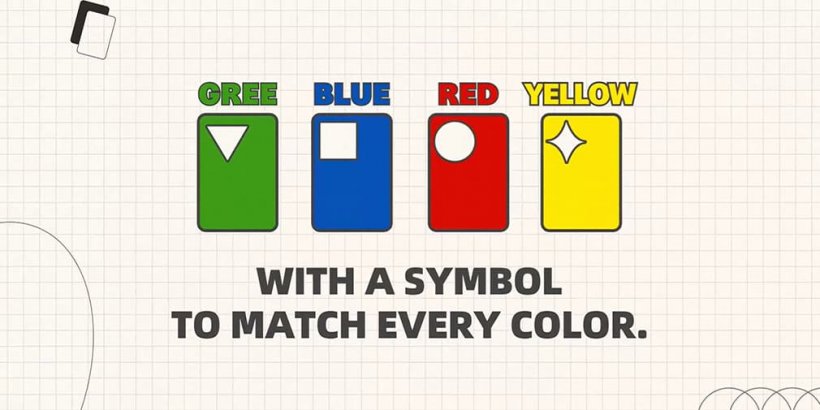
Um die Beyond Color Decks zu erstellen, arbeitete Mattel163 mit Spielern zusammen, einschließlich solcher mit Farbblindheit und sicherstellte, dass die Symbole für alle drei Spiele für die Benutzerfreundlichkeit konsistent sind. Mattel hat auch ein ehrgeiziges Ziel gesetzt, 80% seines Spiels Portfolio bis 2025 zugänglich zu machen.
Uno! Mobile bietet das klassische Kartenspielerlebnis, bei dem die Spieler zuerst alle ihre Karten verwerfen. Phase 10: World Tour fordert die Spieler auf, die Phasen so schnell wie möglich zu vervollständigen, während Skip-Bo-Mobile das traditionelle Solitaire-Spiel einzigartig ist.
Alle drei Spiele - ONO! Mobile, Skip-Bo Mobile und Phase 10: World Tour-können im App Store und in Google Play heruntergeladen werden. Weitere Informationen zu Mattel163 und dem Beyond Color Update finden Sie auf der offiziellen Website oder folgen Sie ihnen auf Facebook, um mit den neuesten Nachrichten auf dem Laufenden zu bleiben.

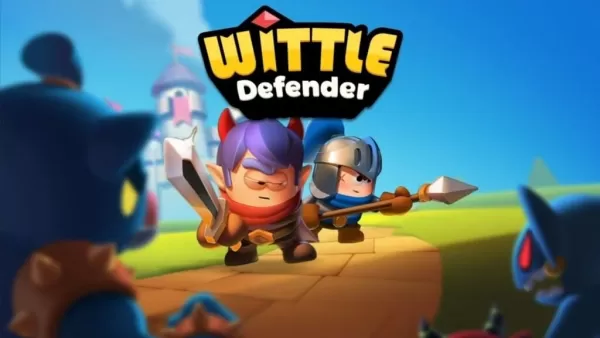
"Wittle Defender" sounds like a fresh and exciting twist on the tower defense genre, blending core mechanics from tower defense, roguelike progression, and strategic card play into a tight, replayable package. Here's how you might conceptualize and pitch the game:
🎮 Wittle Defender – Where Strategy Meets Chaos
Genre: Tower Defense × Roguelike × Card-Based Tactics
Platform: PC, Mobile, Consoles
Tone: Playful, chaotic, and clever – think "Tower Defense meets Hearthstone with a dash of Darkest Dungeon’s tension."
🌟 Core Concept:
In Wittle Defender, you’re not just placing towers—you’re drawing and managing a deck of magical cards that grant abilities, summon guardians, and alter the battlefield. Each run is different, shaped by randomized maps, enemy waves, and a procedurally generated card pool. Fail? No problem—each death is a step toward mastery.
🔧 Key Mechanics:
1. Card-Driven Tower Placement
Instead of pre-made towers, you draw cards each round to build your defense.
Cards represent abilities (e.g., Ice Shard – slow enemies, Fire Orb – AoE damage, Shield Wall – block the path).
You can only play a limited number of cards per wave—strategic trade-offs are key.
2. Roguelike Progression
After each run (success or failure), you earn "Wit Points" to unlock new cards, upgrade abilities, or customize your starting deck.
Permanent upgrades let you unlock new archetypes (e.g., Nature Weaver, Clockwork Engineer, Shadow Alchemist).
Run variations: different maps, enemy types, and environmental hazards (e.g., Fog of War, Corrupted Terrain).
3. Dynamic Wave Design
Enemies aren’t just stronger—they evolve based on your deck choices.
Use too many fire cards? Infernal Golems spawn in later waves.
Rely on shields? Penetrators break through defenses.
Bosses appear every 5–7 waves, each tied to a unique card theme.
4. The "Wittle" Factor: Cute but Dangerous
All units and abilities are whimsically stylized (e.g., a floating kitten that throws shurikens, a robotic squirrel that mines gold).
Despite the cute art, the game is tough—failures are satisfying, not frustrating.
Quirky dialogue and environmental gags (e.g., a tower that only works when you name it "Sir Fluffington").
5. Combo & Synergy System
Chain cards together for powerful effects:
Spike Trap + Lightning Rune = Chain lightning across the map.
Grasshopper (summon) + Tangle Weave (debuff) = Tethered enemies to be crushed.
Cards have unique Fusion mechanics—combine two to unlock a legendary ability.
🎮 Gameplay Loop:
Start a Run – Choose your starting deck (3–5 cards) + one unique "Wittle Rune" (e.g., Frostbite, Reckless Charge).
Draw Cards – Each wave, draw 3 new cards. Spend mana to play them on the map.
Adapt – The path shifts, new enemy types appear. React fast.
Survive to Wave 20+ – Unlock the final boss, a sentient card stack that mimics your worst decisions.
Retire – Gain Wit Points, unlock new cards, and return stronger.
🎨 Art & Sound:
Visuals: Low-poly whimsy meets dark fantasy. Think Cuphead meets Baldur’s Gate 3 with a magical sticker book aesthetic.
Soundtrack: Upbeat synthwave with eerie folk melodies—music changes based on your strategy (e.g., calm when defensive, frantic when desperate).
🏆 Why It Stands Out:
No two runs feel the same. The card system ensures infinite replayability.
Smart difficulty curve. New players learn fast; veterans master combos and optimization.
High skill ceiling + low barrier to entry. Perfect for casual and competitive players.
📣 Tagline:
"Build. Adapt. Survive. Or become the joke the next player tells."
💡 Potential Franchise Expansion:
Wittle Defender: Origins – A story mode exploring how the Wittle Card System was born.
Wittle Defender: Arena – PvP mode where players battle using randomized card decks.
Would you like a prototype card list, example run script, or a pitch deck for publishers? I’d love to help bring Wittle Defender to life. 🎮🔥