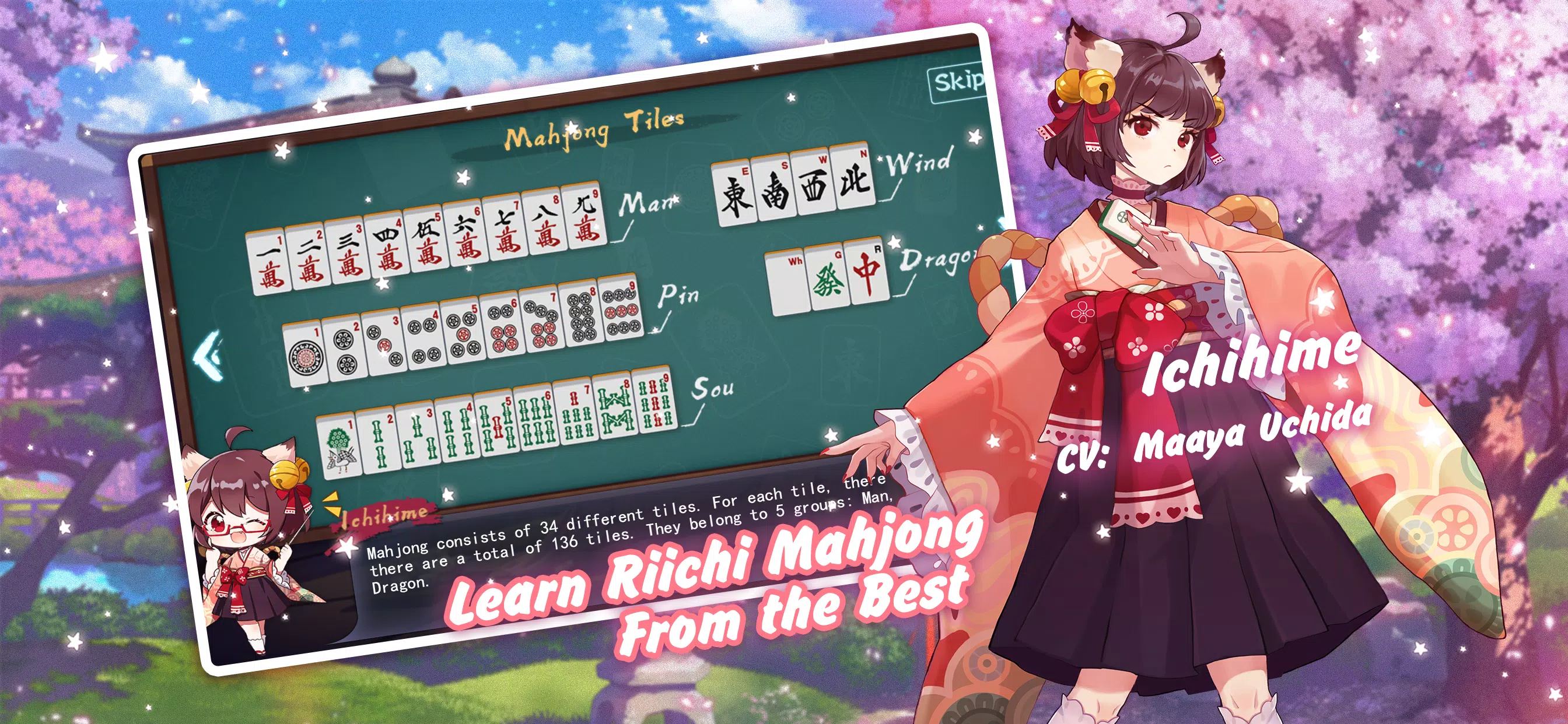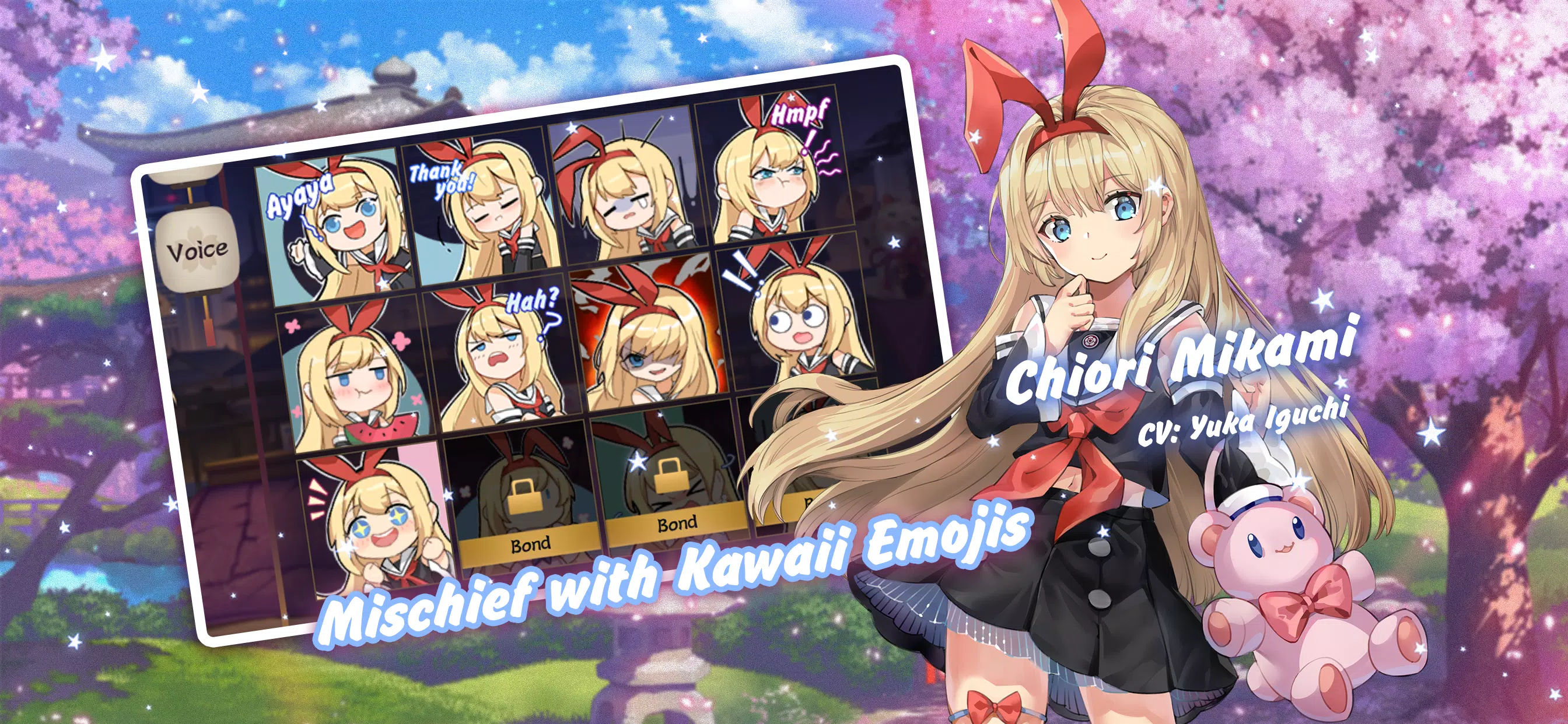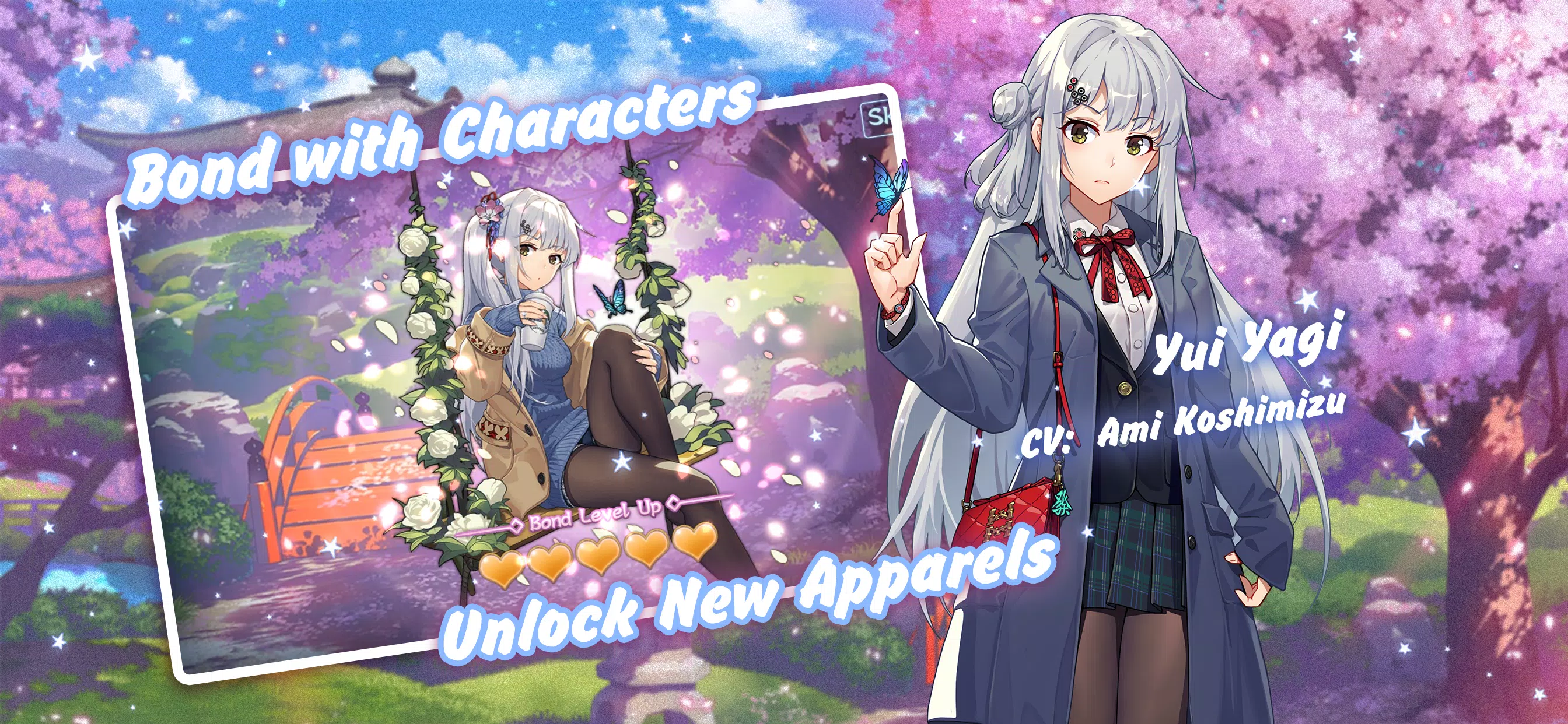

Испытайте идеальное слияние очаровательной аниме-эстетики и классической японской игры в маджонг!
Основные особенности игры
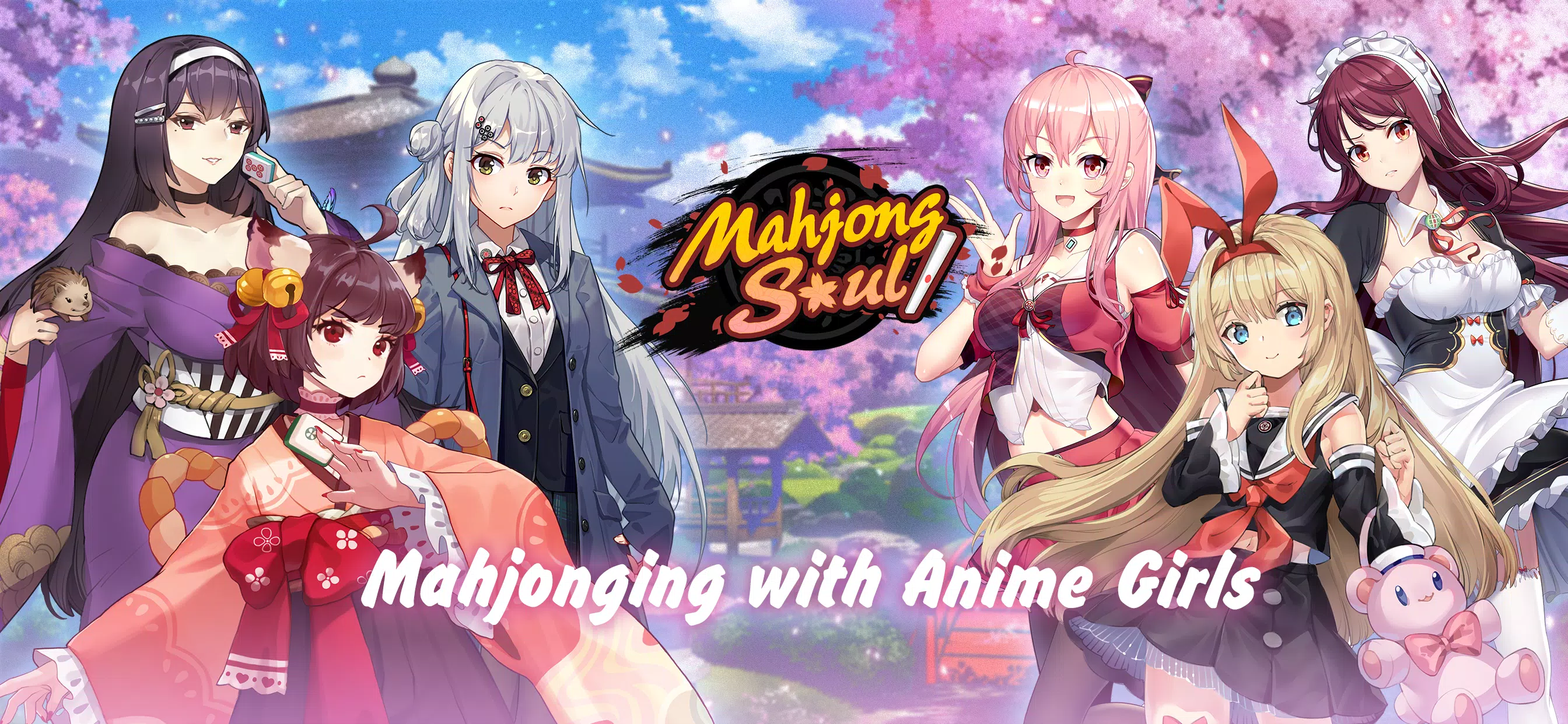
- Тщательно проработанные полностью озвученные ACG-персонажи, оживлённые известными японскими сэйю.
- Глубокое развитие персонажей и насыщенные предыстории в сочетании с детализированными дизайнами.
- Визуально потрясающие эффекты — маджонг может быть не менее зрелищным, чем любое фэнтези-приключение.
- Обширная коллекция предметов для персонализации.
- Устройте беспорядок и хаос для своих оппонентов с помощью забавных эмоций-стикеров персонажей!
- Встроенное обучение поможет вам быстро открыть для себя захватывающий мир маджонга.
- Система друзей позволит вам вместе практиковаться и совершенствовать свои навыки в маджонге.
- Наслаждайтесь честным геймплеем, а также ожидайте больше событий и турниров.
Минимальные системные требования для Android:
ОС: Android 5.0 или выше
Графика: GPU с поддержкой OpenGL ES 2.0 или выше
Память: 2 ГБ ОЗУ
Хранилище: 500 МБ свободного места
Будьте в курсе всех новостей Mahjong Soul! Свяжитесь с нами здесь:
Официальный сайт Mahjong Soul:
https://mahjongsoul.yo-star.com/
Официальный Discord:
https://discord.gg/mahjongsoul
Официальный Twitter:
https://twitter.com/MahjongSoul_EN
Официальный Facebook:
https://www.facebook.com/MahjongSoulEN/
Официальный YouTube:
https://www.youtube.com/c/MahjongSoulOfficialYostar
Что нового в последней версии 3.0.6_GP
Последнее обновление: 16 октября 2024 г.
- Оптимизация геймплея для более плавного игрового процесса.
Mahjong Soul скриншотов
Публикация комментариев
-
1、Ставка
-
2、Комментарий
-
3、Имя
-
4、Электронная почта
Karna, the legendary warrior from the Indian epic Mahabharata, is known not only for his tragic heroism and unmatched archery skills but also for the depth and complexity of his character. Though he is a singular figure in the narrative, Karna embodies several diverse and contrasting traits that make him a fascinating and multidimensional character in Indian mythology. Here’s a look at the diverse aspects of Karna’s persona:
1. The Outcast Prince with Divine Origins
Diverse Identity: Born to Kunti before her marriage, Karna was abandoned and raised by a charioteer (Adhiratha) and his wife (Radha). Despite being a Kshatriya by birth and possessing divine lineage (son of the sun god Surya), he was treated as a Suta (charioteer’s son), a lower social rank.
Contradiction: His royal blood vs. common upbringing creates a deep inner conflict—true nobility in spirit, yet denied social recognition.
2. The Devoted Friend and Loyal Ally
Loyalty to Duryodhana: Karna chooses to stand by Duryodhana, the antagonist of the Mahabharata, not out of malice, but because Duryodhana was the first to accept him as a prince.
Contradiction: His loyalty is seen as noble by some (as he honors his friendship), yet as tragic by others (since he fights against his own half-brothers).
3. The Warrior of Unparalleled Skill
Master Archer: Karna is unmatched in archery, even surpassing Arjuna at times. He receives divine weapons (like the Vasavi Shakti) from gods, including Shiva and Indra.
Contradiction: His strength and skill are undeniable, yet he remains unappreciated and underused in his full potential due to social prejudice.
4. The Tragic Hero of Unfulfilled Destiny
Fated to Fail: Despite his prowess, Karna is fated to die in battle against his brother Arjuna. His curse (from his guru, Parashurama) prevents him from using his celestial weapon on the day he fights Arjuna.
Tragedy: His downfall is not due to weakness, but fate, pride, and circumstance—making him a classic tragic hero.
5. The Man of Compassion and Generosity
Philanthropist: Karna is known for his generosity—giving away his armor (Kavacha) and earrings (which protected him) to a Brahmin in need, despite knowing it would cost him his life.
Contradiction: His ultimate act of giving leads to his downfall, highlighting the irony of his selflessness.
6. The Symbol of Injustice and Social Inequality
Critique of Caste System: Karna’s story is a powerful commentary on the rigidity of the caste system. His abilities and character far surpass many so-called "noble" warriors, yet he is rejected because of his birth.
Universality: He represents the marginalized—the talented, deserving, yet excluded by society.
7. The Embodiment of Duality
Karna’s character reflects many paradoxes:
Born of a goddess, raised as a servant
A warrior of great virtue, yet fights on the side of evil
A man of unmatched strength, yet powerless against fate
Loyal to a friend, yet doomed to kill his brother
8. A Figure of Modern Interpretation and Empathy
Reclaimed Hero: In modern times, Karna is often reinterpreted as a symbol of resilience, identity, and resistance against systemic injustice.
Feminist Reading: His mother Kunti’s choice to abandon him, driven by societal pressure, adds a layer of gendered oppression to his story.
Conclusion:
Karna is not a simple hero or villain—he is a tapestry of contradictions: noble yet rejected, powerful yet doomed, loyal yet betrayed. His diverse characters reflect deeper truths about dharma (duty), karma (action), identity, and the flaws in social systems.
"Karna was not born a warrior of evil. He was born a man, and the world made him a legend of tragedy."
His enduring legacy lies in the fact that he remains one of the most emotionally resonant and complex figures in world mythology—someone who inspires both admiration and sorrow in equal measure.