
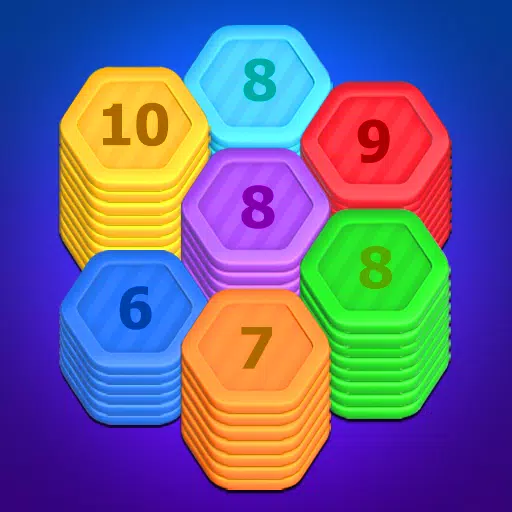
Descripción de la aplicación
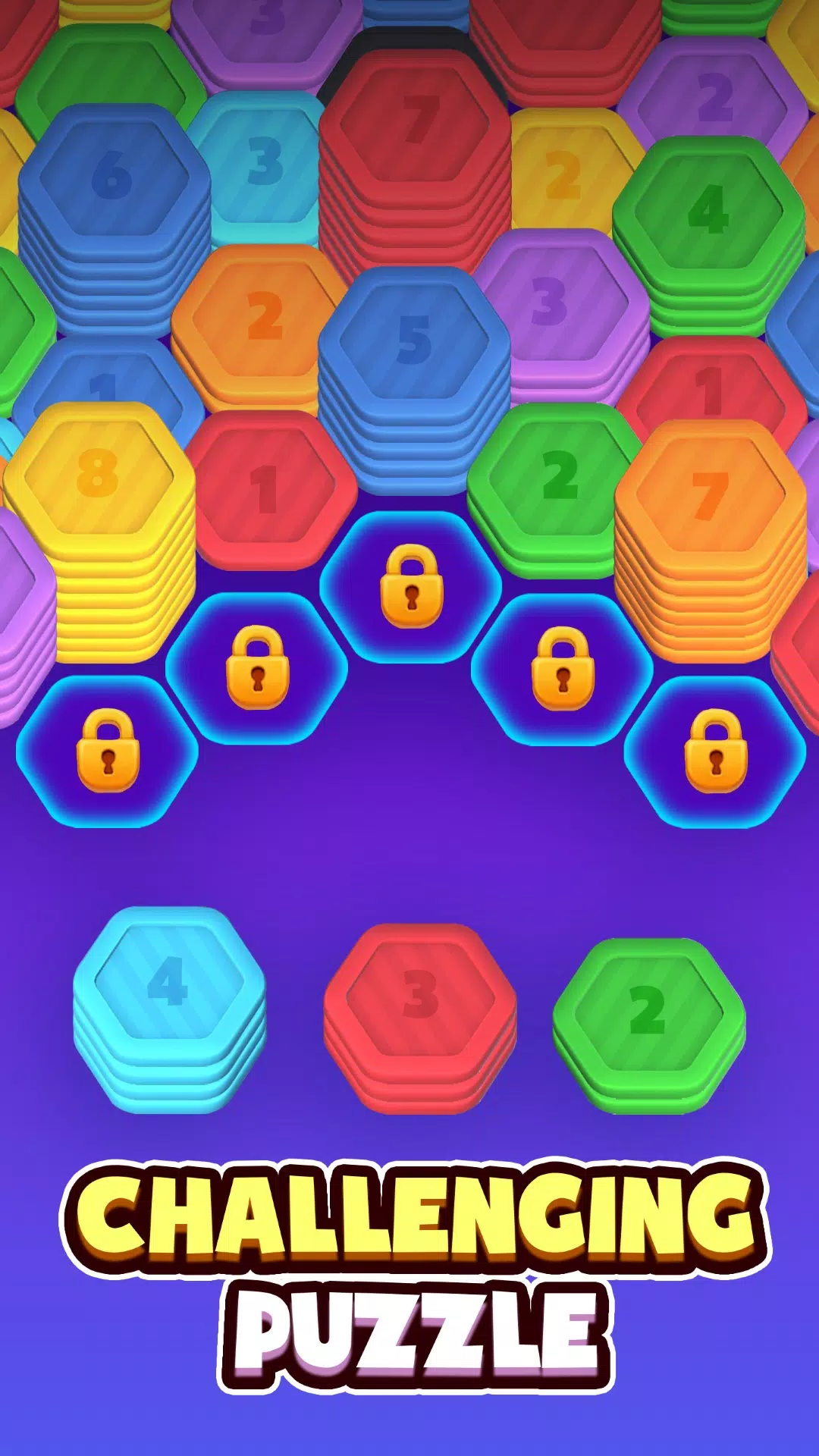
Entrena tu cerebro con un rompecabezas de clasificación hexa relajante: coincida y fusione los bloques hexadecimales de color
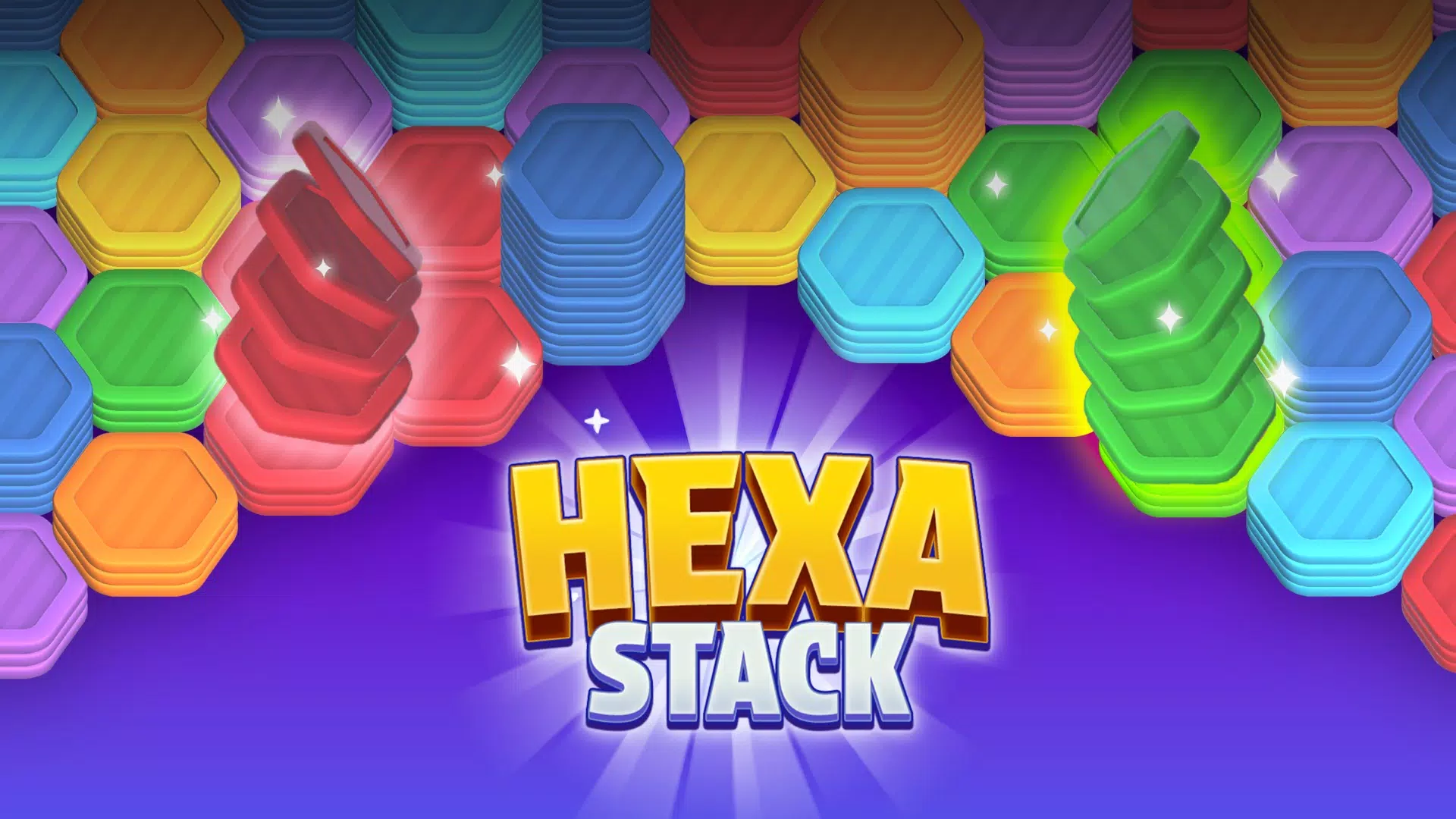
Pila hexa: rompecabezas de clasificación: relájese y se fusione en un colorido oasis de rompecabezas de pila
Escape de la Ordinaria y Sumérgete en el mundo relajante de la clasificación de la pila Hexa, una aventura de rompecabezas única que combina la clasificación estratégica con la alegría de fusionar vibrantes baldosas hexagonales.
Abrazar el desafío en Hexa Stack: Ordenar rompecabezas
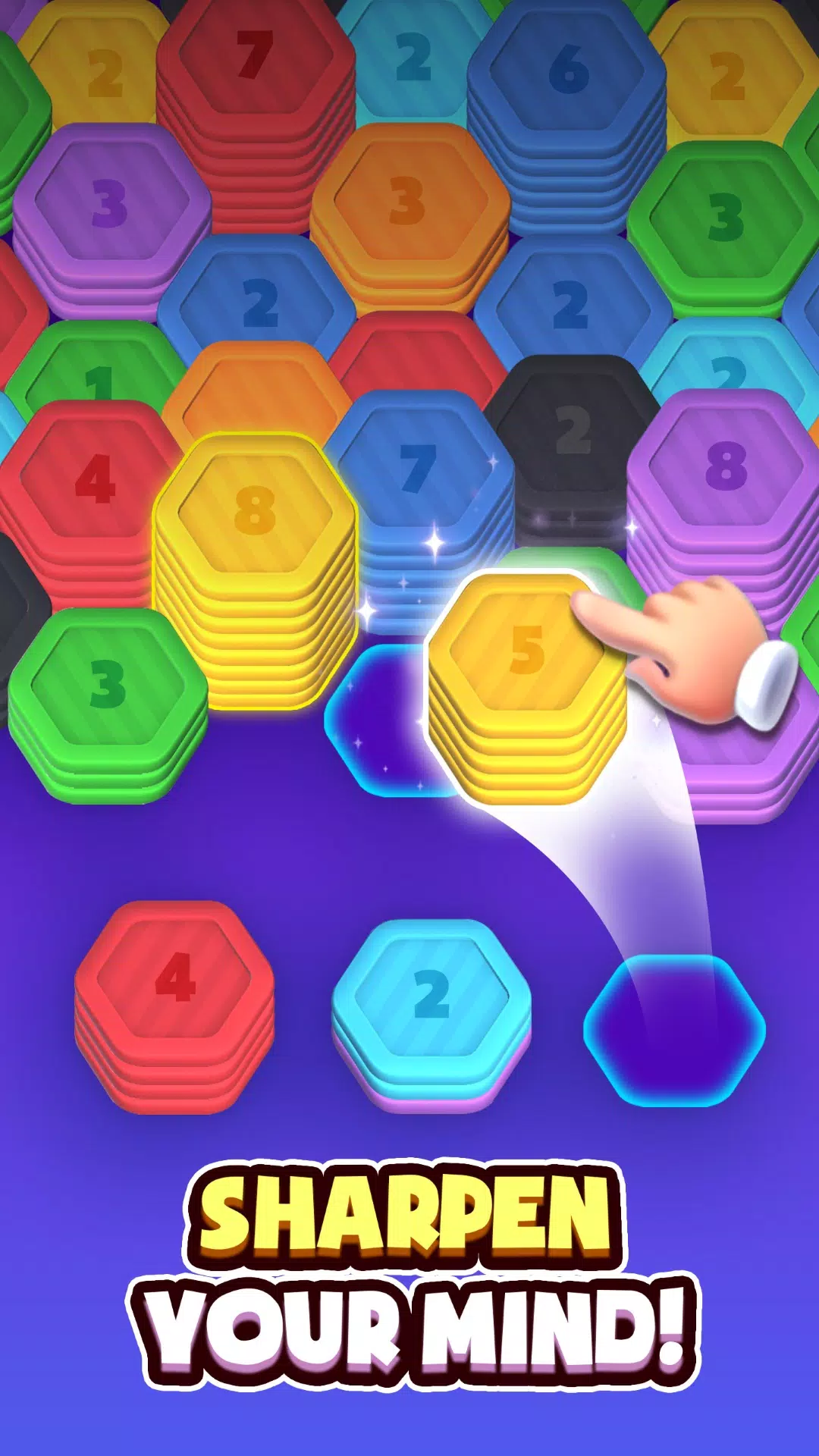
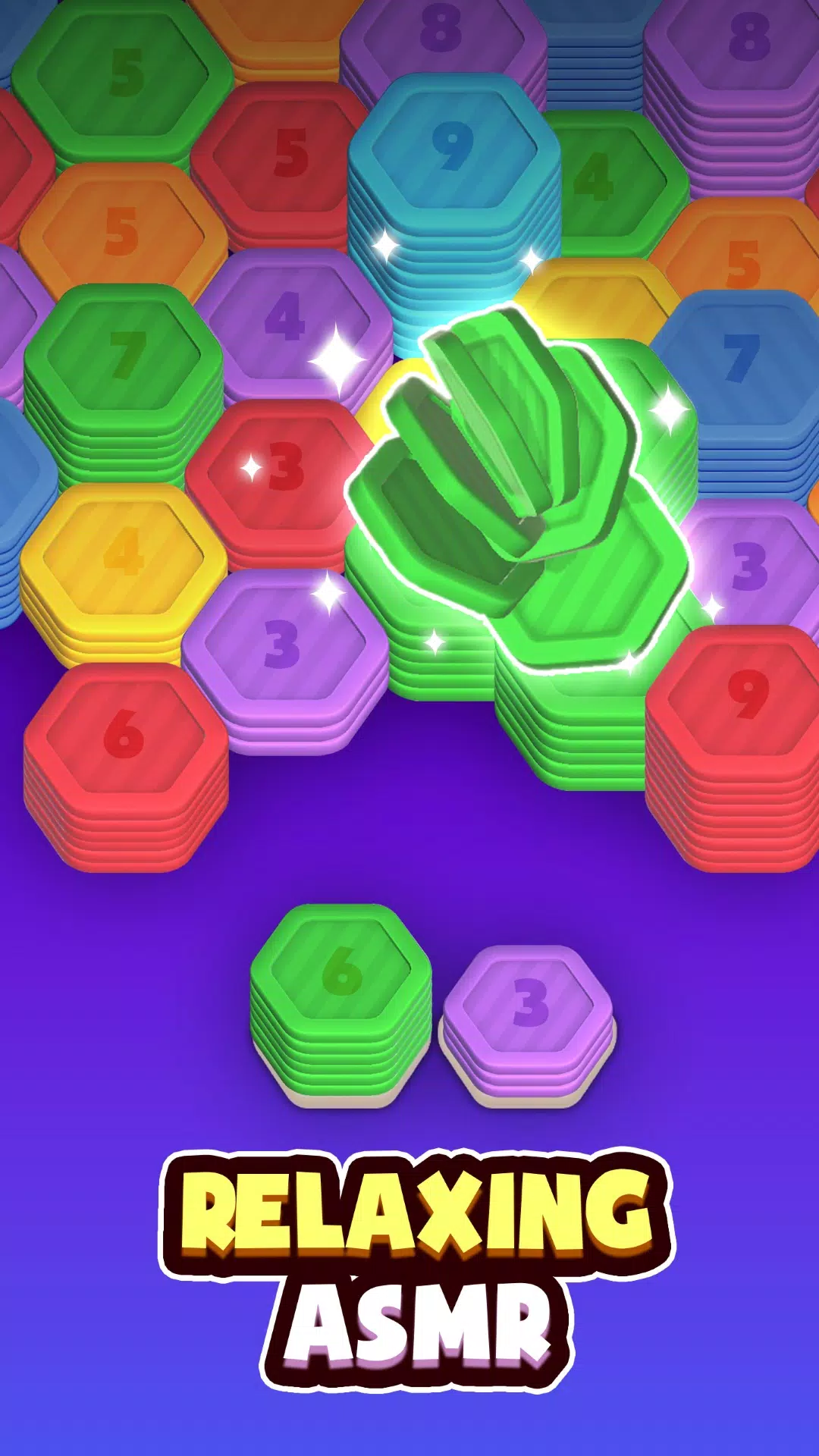
- Shuffle and Organize: domine el arte de organizar hexágonas coloridas, decidiendo estratégicamente dónde colocar cada pila de tarjetas hexa. Las tarjetas adyacentes del mismo color se ordenarán automáticamente.
- Nivel en la mente: progresa a través de niveles cada vez más desafiantes, manteniendo el cerebro agudo y comprometido.
- Desbloquee nuevas posibilidades: descubra los potenciadores y los refuerzos para mejorar su juego y abordar rompecabezas complejos.
Nuestras características en Hexa Stack: Ordena de rompecabezas
- Inmerso en Serenity: disfrute de gráficos 3D suaves y efectos de sonido ASMR calmantes, fomentando la relajación y el enfoque.
- Juega a su propio ritmo: participe en el juego sin presión o límites de tiempo, permitiéndose relajarse y desestresarse.
Descargue Hexa Stack: Sorting Puzzle Today : un juego perfecto para entusiastas de los rompecabezas y buscadores de relajación por igual.
¿Qué hay de nuevo en la última versión 0.6.94?
Última actualización el 4 de noviembre de 2024
Se han solucionado varios errores para mejorar su experiencia de juego.
Hexa Stack capturas de pantalla
Reseñas
Publicar comentarios
Juegos de tendencia
Tendencia de aplicaciones



![Neko Paradise – New Version 0.18 [Alorth]](https://img.1q2p.com/uploads/03/1719595169667ef0a1c529a.jpg)






Temas
Más
Herramientas de gestión de redes sociales
Impresionantes aplicaciones de papel tapiz para su pantalla de inicio
Juegos de estrategia mejor valorados en Google Play
Explore el mundo de los juegos de arcade
Juegos de acción de alta intensidad para Android
Los mejores juegos de aventuras para Android
Top Family Board Games Collection
Popular Role Playing Games Collection
![Pretty Derby Global Android Pre-Registration Opens
Get ready for the ultimate horse racing RPG experience! Pretty Derby, the beloved mobile game from KADOKAWA, has officially launched pre-registration for its global Android version. Fans of stylish racing, dazzling fashion, and heart-pounding competition can now sign up to be among the first to join the dazzling world of Pretty Derby.
Key Features:
Stunning Animation & Fashion: Show off your flair with beautifully animated horses and customizable outfits inspired by real-world horse racing and haute couture.
Rhythm-Based Racing Gameplay: Experience fast-paced races with a unique rhythm mechanic—time your moves perfectly to outpace the competition.
Exclusive Characters & Events: Battle alongside iconic horse girls, each with their own personalities, storylines, and abilities. New characters and limited-time events will keep the game fresh.
Global Community: Connect with players from around the world in multiplayer races, events, and special challenges.
Why Pre-Register?
Be among the first to receive exclusive in-game items and a special welcome gift upon launch.
Get early access to the game and stay updated on release dates, events, and exclusive content.
Help shape the global community from day one.
Pre-Registration is now live on the Google Play Store!
Download the game now and secure your spot in the most glamorous race of the century.
👉 Join the Pre-Registration Now:
[Link to Google Play Store (insert actual link)]
Pretty Derby – Where Fashion Meets Speed. The Derby Awaits!
PrettyDerby #PrettyDerbyGlobal #AndroidPreReg #MobileRPG #HorseRacingGame #Kadokawa #GachaGame #RhythmRacing #NewGame2024](https://img.1q2p.com/uploads/96/68113e43679fd.webp)